
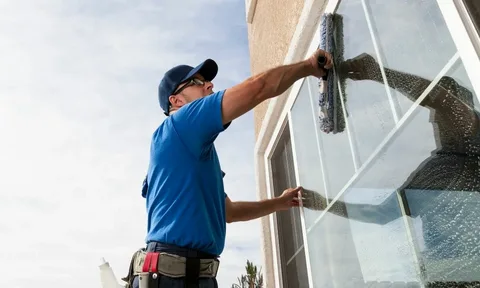
Preparing your home before professional window cleaning can make the appointment more organized, efficient, and convenient. Although a professional technician handles the actual cleaning process, homeowners can take several simple steps beforehand to provide clear access to windows, protect personal belongings, and communicate any concerns.
If you are arranging Window Cleaning Services in San Diego, CA, begin by identifying all the windows you want cleaned and checking their current condition. Window Cleaning Services in San Diego, CA Making a list is especially useful when a property has multiple floors, large glass panels, sliding doors, or windows that are difficult to access.
Create a Window Cleaning Checklist
Walk through your home and identify the windows that require attention. Include both interior and exterior windows if both are part of your planned service.
Your checklist might include:
- Bedroom windows
- Living room windows
- Kitchen windows
- Bathroom windows
- Sliding glass doors
- Large picture windows
- Hard-to-reach windows
- Basement or garage windows
- Exterior glass surfaces
Having a written list can help you communicate exactly what you expect from the service.
Inspect Windows Before the Appointment
Take a few minutes to inspect the windows before the technician arrives. Look for cracked glass, damaged frames, loose screens, deteriorated seals, or other existing problems.
Window cleaning does not repair damaged glass or structural problems. If you notice an issue, mention it when scheduling the service.
This is particularly important because cleaning equipment may need to be used close to the affected area. Knowing about existing damage allows the technician to determine the safest approach.
Remove Items Near Windows
Move decorations, plants, furniture, and other objects away from the windows where possible.
For interior cleaning, clearing the area around each window gives the technician more working space. It can also reduce the risk of accidentally knocking over personal belongings.
Curtains and blinds may also need to be opened or moved depending on the cleaning process.
Protect Valuable Belongings
If valuable or fragile items are positioned close to windows, move them to a safer location before the appointment.
This includes artwork, electronics, decorative objects, collectibles, and other items that could be affected by moisture or cleaning activity.
A clear workspace allows the technician to concentrate on the windows without unnecessary obstacles.
Check Window Screens
Window screens can collect dust, pollen, and outdoor debris. Inspect them before the appointment and determine whether they also need cleaning.
If screens are damaged, tell the technician before removing them.
Do not force a screen that is stuck or difficult to remove. A damaged frame or screen can become more expensive to replace if handled incorrectly.
Make Exterior Access Easy
Exterior windows may require access through gates, yards, balconies, or other areas around the property.
Before the appointment, make sure the technician can reach the areas included in the service.
Move garden equipment, toys, outdoor furniture, and other obstacles away from exterior windows where practical.
If a particular window is difficult to access, mention this when requesting an estimate.
Secure Pets
Pets should be kept away from active work areas during the appointment.
Dogs, cats, and other animals may become curious about unfamiliar people or equipment. Keeping them in a secure location can help reduce distractions and create a safer environment for everyone.
It also prevents pets from accidentally entering areas where cleaning solutions or wet surfaces are present.
Consider Nearby Household Services
Preparing your property for window cleaning may reveal other maintenance needs. For example, homeowners sometimes notice dust accumulation, clogged vents, or other areas requiring attention while inspecting the property.
A dryer vent cleaning service is a separate maintenance service that homeowners may consider when their dryer vent system requires professional cleaning. dryer vent cleaning service
Keeping different maintenance projects separate helps ensure that each service is performed using the appropriate equipment and procedures.
Communicate Special Requirements
Tell the provider about any special circumstances before the appointment.
These may include:
- Very tall windows
- Difficult exterior access
- Delicate window frames
- Older windows
- Recently installed windows
- Cracked or damaged glass
- Restricted areas
- Special scheduling requirements
Providing this information early can help the company prepare appropriately.
Ask What the Service Includes
Before the appointment, confirm which parts of the window are included.
Depending on the provider, the service may or may not include screens, frames, tracks, sills, or other components.
Do not assume that every provider defines window cleaning in exactly the same way. Clarifying the scope beforehand can prevent misunderstandings.
Review the Cleaning Method
Ask generally how the provider plans to clean your windows. Professional techniques may vary depending on glass type, accessibility, exterior conditions, and the level of dirt or buildup.
If you have concerns about a particular window, discuss them before work begins.
A professional should be able to explain the process clearly and identify situations that require additional care.
Check for Existing Water or Moisture Problems
Before cleaning, inspect areas around the windows for signs of water damage, moisture, staining, or deteriorated materials.
Window cleaning will not correct leaks or damaged seals.
If you notice moisture problems, explain them to the provider. The technician may recommend that the underlying issue be evaluated separately.
Plan Your Schedule
Choose a time when the cleaning area can remain accessible.
If the technician needs access to several rooms, avoid scheduling the service during a period when those rooms will be heavily occupied.
For exterior cleaning, discuss weather-related scheduling considerations with the provider.
Keep Communication Clear
Good communication before the appointment can make the entire process easier.
Confirm:
- Service date
- Arrival window
- Windows included
- Interior or exterior cleaning
- Preparation requirements
- Access instructions
- Special concerns
- Expected pricing
Having these details confirmed reduces uncertainty.
Prepare for the Final Inspection
After cleaning is completed, walk through the property and review the windows.
Look for areas that may have been missed and check whether the agreed scope was completed.
If you have a concern, communicate it promptly so the provider can understand the issue.
Make Preparation Part of Regular Maintenance
Window preparation does not need to be complicated. A simple checklist can help homeowners keep track of cleaning needs throughout the year.
Regularly inspect windows, screens, frames, and surrounding areas for visible dirt, damage, moisture, or deterioration.
Early attention can make future maintenance easier.
Final Thoughts
Preparing for professional window cleaning starts with understanding what needs to be cleaned and ensuring the technician can safely access those areas. Removing nearby belongings, checking screens, securing pets, identifying existing damage, and communicating special requirements can make the appointment more efficient.
Homeowners should also confirm what the service includes and discuss any unusual conditions before work begins. Clear expectations benefit both the property owner and the cleaning professional.
By taking these simple preparation steps, San Diego homeowners can create a cleaner, more organized work environment and make the most of their professional window cleaning appointment.
Clear Access and Protect Your Home Before the Cleaning Appointment
Once you have identified the windows that need attention, the next step is preparing the areas around them. Professional window cleaning requires sufficient working space, particularly when technicians need to access interior glass, exterior windows, screens, frames, or difficult-to-reach areas.
Good preparation does not mean homeowners need to perform the cleaning themselves. Instead, the goal is to remove unnecessary obstacles and communicate anything that could affect the work.
Move Furniture Away From Windows
Interior windows are often surrounded by sofas, tables, beds, desks, and other furniture. Moving these items several feet away from the window can provide the technician with a safer and more comfortable workspace.
If a large piece of furniture cannot be moved, tell the technician beforehand. This allows the provider to determine whether the window can be cleaned safely without moving the item.
Avoid dragging heavy furniture unnecessarily, especially if doing so could damage flooring.
Remove Decorative Items
Window sills frequently hold photographs, candles, plants, ornaments, and other decorative objects.
Remove these items before the appointment and place them somewhere secure. This provides direct access to the sill and surrounding glass.
It can also prevent accidental damage while the technician is working.
Open Curtains and Blinds
If possible, open curtains, blinds, and shades before the technician arrives.
This makes it easier to access the glass and lets you identify windows that may require special attention.
If blinds or shades are difficult to operate, do not force them. Let the technician know that they require care.
Check Window Screens
Screens can collect dust and outdoor debris over time. If screen cleaning is included in your service, determine whether they need to be removed beforehand.
Do not attempt to force a screen from a frame if it is stuck. Older screens can become fragile, and excessive force may damage the frame.
Inform the technician about any loose, torn, or damaged screens.
Clear Exterior Pathways
Exterior windows may require access through patios, gardens, side yards, balconies, or other parts of the property.
Remove unnecessary obstacles from pathways leading to these windows.
Garden hoses, tools, children’s toys, outdoor furniture, and other objects can restrict access.
A clear pathway can help the technician move equipment more safely.
Protect Sensitive Items
Some homes have electronics, artwork, wooden furniture, or other sensitive items near windows.
Move vulnerable belongings away from the work area whenever possible.
If an item cannot be moved, point it out before cleaning begins so the technician can take appropriate precautions.
Secure Pets
Keep pets in a secure area while the service is underway.
Unfamiliar people, ladders, equipment, and cleaning activity can make some animals anxious or curious. Keeping pets away from the work area reduces distractions and helps protect both the animal and the technician.
Communicate Access Restrictions
If certain rooms, windows, balconies, or exterior areas have restricted access, inform the company before the appointment.
For example, a homeowner may have a locked gate or a room that cannot be entered without prior notice.
Providing this information in advance can help avoid delays.
Identify Hard-to-Reach Windows
Not all windows are equally accessible. High windows, windows above stairways, large architectural glass panels, and windows located behind obstacles may require additional planning.
Mention difficult windows when requesting an estimate.
This gives the provider an opportunity to determine whether appropriate equipment or additional preparation is necessary.
Consider Nearby Cleaning Needs
While preparing your property, you may notice dirt and buildup on other exterior surfaces. Window cleaning should remain separate from other specialized cleaning tasks so that each service is approached appropriately.
For example, pressure washing is intended for suitable exterior surfaces and should not automatically be treated as part of a standard window cleaning appointment. pressure washing
If both services are needed, discuss them separately with the provider and confirm which areas are included in each service.
Inspect Window Frames
Before the appointment, examine the window frames and surrounding materials.
Look for:
- Cracks
- Loose trim
- Peeling paint
- Deteriorated sealant
- Water stains
- Signs of moisture
- Loose components
Cleaning may make existing defects more visible, but it does not necessarily repair them.
Tell the technician about concerns before the cleaning begins.
Check for Leaks
If you have noticed water entering around a window during rain, mention it to the provider.
Window cleaning should not be considered a solution for water intrusion.
A leak may require separate inspection or repair. Identifying the issue beforehand helps prevent confusion about what the cleaning service is expected to accomplish.
Protect Flooring
Interior window cleaning may involve small amounts of water or cleaning solution.
Where appropriate, keep valuable rugs or delicate items away from the immediate work area.
The technician may also use protective materials as part of the cleaning process.
Ask About Preparation Requirements
Every provider may have slightly different preparation requirements. Ask what you should complete before the technician arrives.
Questions can include:
- Should screens be removed?
- Should curtains be opened?
- Does furniture need to be moved?
- Is exterior access required?
- Are pets required to be secured?
- Are there specific areas that need to remain clear?
Knowing these details beforehand can save time.
Consider Seasonal Conditions
San Diego’s outdoor conditions can influence the appearance of exterior glass. Dust, pollen, environmental residue, and other buildup may accumulate over time.
Homeowners can inspect windows periodically and schedule professional cleaning when buildup becomes noticeable or when regular maintenance is appropriate.
Make a Property Checklist
A simple checklist can help ensure nothing is overlooked.
Before the appointment, confirm:
- Windows identified
- Furniture moved
- Decorations removed
- Curtains and blinds opened
- Screens inspected
- Exterior pathways cleared
- Pets secured
- Access instructions provided
- Existing damage identified
- Special requirements communicated
This preparation can make the appointment more organized.
Confirm the Service Scope
Before the technician starts, make sure both sides understand what is included.
Clarify whether the service covers interior glass, exterior glass, screens, frames, sills, or other components.
Clear expectations can reduce misunderstandings and make the final inspection easier.
Prepare for Professional Work
Homeowners do not need to dismantle windows or perform technical preparation. Their main responsibility is to provide a clear, accessible workspace and communicate known concerns.
The technician should handle the actual cleaning process using appropriate equipment and methods.
Final Thoughts
Preparing access around your windows can make professional cleaning safer and more efficient. Moving furniture, removing decorations, clearing exterior pathways, securing pets, checking screens, and identifying existing damage are all practical steps homeowners can take before the appointment.
It is equally important to communicate special circumstances and confirm the exact scope of service. When the technician arrives with a clear understanding of the property and the homeowner’s expectations, the cleaning process can proceed more smoothly.
A few minutes of preparation can help protect belongings, reduce delays, and create better conditions for professional window cleaning throughout your San Diego home.
Understand What Professional Window Cleaning Includes
Preparing for a professional window cleaning appointment is easier when you understand what the service is designed to accomplish. Many homeowners think of window cleaning as simply removing visible dirt from glass, but professional service can involve several considerations, including accessibility, glass condition, frames, screens, surrounding surfaces, and the type of buildup present.
Before the appointment, clarify what you expect to be cleaned and communicate those expectations to the provider. This is especially important for homes with multiple window styles, large glass areas, difficult-to-reach windows, or older frames.
Define the Areas You Want Cleaned
Start by making a complete list of the windows you want serviced. Walk through each room and identify the windows that require attention.
Consider:
- Interior windows
- Exterior windows
- Sliding glass doors
- Large glass panels
- High windows
- Basement windows
- Garage windows
- Windows with screens
- Hard-to-reach glass
A detailed list makes it easier to communicate your requirements and understand the estimate.
Ask About Interior and Exterior Glass
Not every window cleaning appointment automatically includes both sides of the glass.
Before scheduling, ask whether the quoted service includes interior cleaning, exterior cleaning, or both.
If you want both sides cleaned, confirm this in advance so there is no confusion when the technician arrives.
Understand Screen Cleaning
Screens can collect dust, pollen, and other outdoor debris. Depending on the provider, screen cleaning may be included as part of the service or may be offered separately.
Ask how screens are handled and whether they need to be removed before the appointment.
Never force a screen that appears stuck. Older frames can become brittle, and excessive pressure can cause unnecessary damage.
Ask About Window Frames and Sills
Glass is usually the main focus of window cleaning, but frames and sills can also accumulate dirt.
Ask whether these areas are included in the service.
Understanding the scope beforehand helps you know what to expect when inspecting the finished work.
Consider Different Types of Glass
Homes can contain several types of windows, including standard glass, tinted glass, coated glass, double-pane units, and specialty architectural windows.
If you know that your home contains unusual or treated glass, mention it when contacting the provider.
The technician can then determine whether any special considerations are necessary.
Inspect Older Windows
Older windows may have deteriorated seals, loose components, damaged glazing, or fragile frames.
Before the appointment, look for visible signs of wear and tell the technician about anything that concerns you.
Professional cleaning should take the existing condition of the window into account.
Be Realistic About Stains
Window cleaning can remove many types of surface dirt, dust, fingerprints, and environmental residue. However, some marks may be permanent.
Mineral deposits, scratches, damaged coatings, or long-term deterioration may not disappear through ordinary cleaning.
Ask the provider about difficult stains before assuming they can be completely removed.
Discuss Hard-to-Reach Windows
Some windows require additional planning because of their height or location.
Examples may include:
- Second-story windows
- Windows above staircases
- Large exterior glass panels
- Windows behind landscaping
- Windows above extensions
- Difficult balcony windows
Tell the provider about these areas when requesting service. This can help the company determine appropriate equipment and access requirements.
Consider Other Home Maintenance
While inspecting your windows, you may notice other household issues that need attention. These projects should be evaluated separately from window cleaning.
For suitable general household repairs, handyman repair services can be considered when fixtures, minor property components, or other repair needs require attention. handyman repair services
Keeping separate services clearly defined helps ensure that each project receives the appropriate attention and expertise.
Ask About Cleaning Products
A professional may use specialized cleaning solutions depending on the glass and type of buildup.
If you have concerns about pets, children, plants, or sensitive materials near the windows, communicate them before service begins.
The provider should be able to explain the general cleaning approach and any precautions that may be necessary.
Protect Window Treatments
Curtains, blinds, shades, and other window treatments should be moved or opened when appropriate.
If a blind or shade is fragile or difficult to operate, do not force it.
Tell the technician about any delicate window treatment so it can be handled carefully.
Consider Furniture Placement
Furniture positioned directly beneath or beside windows can restrict access.
Move smaller furniture items away from the window where practical. If a large item cannot be moved, inform the technician.
This gives the provider a better understanding of the available workspace before beginning.
Keep the Work Area Accessible
A clean work area allows the technician to concentrate on the windows.
Remove unnecessary objects from window sills, floors, tables, and nearby surfaces.
For exterior windows, clear pathways and remove outdoor items that could interfere with access.
Ask About Safety Procedures
Window cleaning can involve ladders, extension equipment, water, and cleaning solutions, particularly when exterior windows are located at height.
Ask whether the provider has appropriate equipment for your property.
Homeowners should avoid attempting high-risk window cleaning themselves simply because a window appears difficult to reach.
Confirm Pricing
Once you understand what needs to be cleaned, request a detailed estimate.
Ask whether the price changes based on:
- Number of windows
- Window size
- Interior and exterior access
- Screen cleaning
- Hard-to-reach locations
- Level of buildup
- Special cleaning requirements
A clear estimate makes it easier to compare providers.
Confirm Scheduling Details
Before the appointment, confirm the date and expected arrival window.
If access requires someone to be home, make sure the schedule works for you.
If exterior access is required through a locked gate or restricted area, provide those details ahead of time.
Plan for the Final Inspection
After the service, inspect the windows under suitable lighting.
Check for visible streaks, missed areas, remaining buildup, or concerns around frames and screens if those components were included.
If you notice an issue, communicate it promptly.
Keep Service Records
Save the invoice and note the date of professional cleaning.
Keeping records can help you establish a practical maintenance routine and determine how quickly buildup returns on different windows.
Think About Future Projects
Window cleaning may be part of a larger home improvement plan. If you are preparing a property for renovations, repairs, or new installations, consider the order in which different projects should be completed.
For appropriate installation projects, handyman installation near me can be evaluated separately when household fixtures or other suitable items need professional installation. handyman installation near me
Planning related work carefully can help prevent newly cleaned surfaces from becoming unnecessarily dirty during subsequent projects.
Final Thoughts
Understanding the scope of professional window cleaning allows homeowners to prepare more effectively. Before the appointment, identify the windows you want cleaned, clarify whether interior and exterior glass are included, inspect screens and frames, identify difficult-to-reach areas, and communicate existing damage.
You should also ask about cleaning methods, products, pricing, preparation, and scheduling. These details help establish realistic expectations and make it easier to compare professional providers.
With clear communication and proper preparation, homeowners can create an organized work environment and make their window cleaning appointment more efficient.
Prepare Different Types of Windows for Professional Cleaning
Not every window in a home has the same design, material, or accessibility. Preparing for professional window cleaning therefore requires more than simply moving furniture away from the glass. Homeowners should consider the characteristics of each window, identify potential problems, and tell the cleaning provider about anything that may require additional care.
A thoughtful preparation process helps the technician understand the property and can reduce avoidable delays during the appointment.
Identify Different Window Styles
Walk through the property and identify the major window types.
Your home may include:
- Single-hung windows
- Double-hung windows
- Sliding windows
- Casement windows
- Picture windows
- Bay windows
- Sliding glass doors
- Specialty architectural glass
Knowing which styles are present can help you communicate your needs more clearly.
Inspect the Glass
Before the technician arrives, examine the glass for cracks, chips, scratches, permanent stains, or damaged coatings.
If you notice any existing damage, mention it when booking the service.
Cleaning does not repair damaged glass. Informing the provider beforehand allows the technician to take the condition into account when planning the work.
Check Window Frames
Frames should also be inspected for visible deterioration.
Look for:
- Loose sections
- Cracks
- Peeling paint
- Deteriorated sealant
- Signs of moisture
- Rot or material deterioration
- Loose hardware
If a frame appears fragile, do not attempt to repair it immediately before the cleaning appointment unless you know what the repair requires.
Instead, tell the provider about the condition.
Inspect Window Tracks
Sliding windows and doors often contain tracks where dirt, dust, and debris accumulate.
If track cleaning is included in the service, ask the provider how those areas are handled.
If the tracks contain significant debris or moisture, mention this during the initial consultation.
Prepare Screens Carefully
Screens should be inspected before removal.
Look for tears, bent frames, loose corners, or damaged mesh.
If a screen is stuck, do not force it. Excessive pressure can damage the frame or surrounding window.
Let the technician know about difficult screens so they can determine an appropriate approach.
Prepare High Windows
High windows may require specialized access equipment.
Identify these windows before the appointment and tell the provider how many there are and where they are located.
Examples include second-story windows, high stairway windows, and large exterior glass panels.
Providing this information in advance can help the company prepare appropriately.
Clear Balcony Areas
If windows are located near balconies, patios, or elevated areas, remove unnecessary furniture and decorations.
Make pathways accessible and point out any areas where equipment placement may be restricted.
Clear access can help the technician work more efficiently.
Consider Weather Conditions
Exterior window cleaning can be affected by weather conditions. Rain, strong winds, or other unsuitable conditions may affect scheduling.
Ask the provider how weather-related rescheduling is handled.
Planning with reasonable flexibility can help prevent unnecessary inconvenience.
Protect Nearby Surfaces
Interior windows may be surrounded by flooring, furniture, walls, and decorative materials.
Remove fragile objects from nearby areas and make space around the window.
If you have delicate flooring or valuable furnishings, point them out to the technician before cleaning begins.
Separate Window Cleaning From Exterior Washing
Homeowners may sometimes plan several cleaning projects at once. However, different surfaces require different techniques.
For example, pressure washing should be evaluated separately from professional window cleaning because high-pressure water may not be appropriate for glass or delicate window components. pressure washing
If both services are needed, discuss the order and scope of each service with the appropriate provider.
Communicate About Special Glass
Some windows may have tinting, coatings, decorative treatments, or other specialty features.
If you know the glass has a special finish, tell the provider before service begins.
Ask whether the cleaning method is suitable for that particular type of glass.
Keep Window Treatments Accessible
Open curtains and blinds when possible.
If the window treatment is fragile, heavy, or difficult to operate, inform the technician.
Do not force stuck blinds or shades because doing so may damage their mechanisms.
Remove Decorations From Sills
Window sills often collect decorative objects.
Remove these items before cleaning to provide clear access and prevent accidental movement.
Store fragile decorations in a secure location until the appointment is finished.
Secure Children and Pets
Children and pets should remain away from active work areas.
Cleaning may involve ladders, water, cleaning products, and other equipment. Keeping the area clear allows technicians to concentrate on their work and reduces unnecessary risks.
Discuss Access to Locked Areas
If any windows are located behind locked gates or inside rooms that are normally inaccessible, make arrangements before the appointment.
A technician cannot clean an area they cannot safely reach.
Providing access information early can prevent missed windows and scheduling delays.
Consider Nearby Air Quality Maintenance
While inspecting your home, you may notice dust or other buildup around ventilation components. These concerns should be evaluated separately from window cleaning.
If your home requires air duct cleaning services, discuss that service independently so the provider can assess the ventilation system and determine whether professional cleaning is appropriate. air duct cleaning services
Separating the two services helps ensure that each project is handled according to its specific purpose.
Ask About Cleaning Solutions
If you have concerns about cleaning products, ask the provider what type of solution may be used.
Mention any sensitive materials, plants, pets, or other considerations near the windows.
A professional should be able to explain the general cleaning process and appropriate precautions.
Confirm the Service Scope
Before the appointment, confirm whether the cleaning includes the components you expect.
Ask specifically about:
- Glass
- Frames
- Sills
- Screens
- Tracks
- Interior surfaces
- Exterior surfaces
This avoids confusion and gives you a clear basis for the final inspection.
Document Existing Problems
If you notice damaged glass, frames, screens, or surrounding materials, photographs can provide a useful record.
Documentation can help distinguish pre-existing conditions from issues that may be noticed after cleaning.
Prepare a Final Checklist
Before the technician arrives, review your preparation:
- Windows identified
- Glass inspected
- Frames checked
- Screens inspected
- Furniture moved
- Decorations removed
- Window treatments opened
- Exterior pathways cleared
- Pets secured
- Access arranged
- Existing damage communicated
- Service scope confirmed
Final Thoughts
Different windows require different preparation. High windows, sliding doors, specialty glass, screens, tracks, older frames, and difficult exterior locations should all be considered before professional cleaning begins.
Homeowners can make the process easier by inspecting their windows, clearing access, protecting belongings, identifying existing damage, and communicating special requirements.
The goal is not to perform technical work before the technician arrives. Instead, preparation should create a safe, accessible workspace and give the professional enough information to approach the cleaning appropriately.
With these steps completed, you can move into the appointment with clearer expectations and a better understanding of what professional window cleaning should involve.
Prepare for the Day of Your Window Cleaning Appointment
The day of a professional window cleaning appointment should be simple when the property has been prepared properly. Most of the important work involves making sure the technician can reach the windows, identifying concerns in advance, and keeping personal belongings away from the active work area.
Confirm the Appointment Details
Before the technician arrives, review the appointment information you received. Confirm the date, approximate arrival time, service areas, and any special instructions that were discussed during scheduling.
If access depends on someone being home, make sure that person is available. For exterior windows, confirm that gates or other access points can be opened when necessary.
Complete Your Preparation Checklist
A short checklist can prevent last-minute problems. Walk through the property and confirm that furniture, decorations, and other unnecessary objects have been moved away from the windows.
Check both interior and exterior areas if both sides are included in your service.
Move Fragile Items
Remove fragile belongings from window sills, nearby tables, shelves, and other surfaces.
Examples include:
- Picture frames
- Glass decorations
- Electronics
- Collectibles
- Small plants
- Candles
- Artwork
Place these items somewhere secure until the cleaning is finished.
Clear Floor Space
Give the technician enough room to work around interior windows.
Move small furniture, baskets, toys, boxes, and other objects away from the immediate work area. If something is too heavy to move safely, let the technician know.
A clear workspace can make the process more efficient.
Prepare Window Treatments
Open curtains, blinds, and shades before the appointment when possible.
If a blind or shade is difficult to operate, do not force it. Let the technician know about the problem.
This can help prevent accidental damage to delicate window treatments.
Check Screens Again
Inspect screens before the appointment. Look for tears, loose frames, bent corners, or other damage.
If screens are included in the service, tell the technician about any damaged sections before they are handled.
Make Exterior Areas Accessible
For exterior windows, clear walkways and access areas around the property.
Remove garden tools, hoses, toys, furniture, and other objects that could interfere with the technician’s movement.
If a particular window is located in a difficult area, identify it before the work begins.
Secure Pets
Keep dogs, cats, and other pets away from the cleaning area.
Unfamiliar people and equipment can cause pets to become distracted or anxious. A secure room or enclosed area can help keep everyone comfortable during the appointment.
Keep Children Away From Active Work Areas
Children should not play near ladders, equipment, wet surfaces, or cleaning supplies.
Explain that the technician needs clear space to work. Keeping children away from the active work zone helps create a safer environment.
Identify Existing Damage
Before cleaning begins, point out any known cracks, chips, loose frames, damaged screens, or other concerns.
This is especially important for older windows.
Professional cleaning should account for the existing condition of the property rather than assuming every component is in perfect condition.
Avoid Last-Minute Repairs
If you discover a loose frame or damaged component immediately before the appointment, do not attempt an unfamiliar repair simply to prepare for cleaning.
Instead, tell the technician about the issue.
Some repairs require specific materials or professional evaluation, and forcing a damaged component can make the problem worse.
Communicate Special Requests
If there are specific windows you want prioritized, explain this before cleaning starts.
For example, you may have a large window that has accumulated substantial environmental residue or an interior window that receives frequent fingerprints.
Clear instructions help the technician understand your priorities.
Confirm What Is Included
Before work begins, make sure you understand the agreed service.
Depending on the provider, the scope may involve glass cleaning only or may include additional components such as screens, sills, or frames.
If you are uncertain, ask before the technician starts.
Protect Valuable Flooring
If windows are positioned close to valuable rugs or delicate flooring, make sure the technician is aware of them.
Removing smaller rugs from the immediate work area can provide additional protection and create more space.
Allow Adequate Working Time
Avoid scheduling another appointment immediately after the window cleaning service.
The actual duration can vary according to the property’s size, number of windows, accessibility, and level of buildup.
Allowing reasonable time gives the technician an opportunity to complete the work without unnecessary rushing.
Ask Questions Before the Work Starts
If you have concerns about the process, ask them before cleaning begins.
Useful questions include:
- Which windows are included?
- Are screens included?
- Are frames and sills included?
- How will difficult windows be accessed?
- Are there any windows that require special care?
- What should I do after cleaning?
Clear answers can help establish realistic expectations.
Keep Communication Available
If you need to leave the property during the appointment, make sure the technician knows how to contact you if an unexpected issue arises.
This can be particularly useful if the technician discovers damaged glass, inaccessible windows, or another condition that affects the agreed scope.
Inspect the Windows After Cleaning
Once the work is completed, inspect the cleaned areas.
Look at the glass from different angles and under suitable lighting. Check whether the agreed windows were serviced and whether there are visible areas that require clarification.
Review the Surrounding Areas
Also check the immediate areas around the windows.
Make sure furniture and belongings have been returned to their proper positions and that the work area has been left reasonably organized.
Keep Your Documentation
Save the invoice, service information, and appointment date.
If you regularly maintain your home’s windows, these records can help you track when professional cleaning was performed.
Establish a Future Maintenance Routine
After the appointment, observe how quickly dirt and environmental residue return.
Factors such as weather, nearby construction, landscaping, traffic, dust, and exposure can influence how frequently windows need attention.
Instead of automatically scheduling cleaning at a fixed interval, evaluate the condition of the glass and surrounding components.
Use Professional Cleaning as Part of Home Care
Clean windows can contribute to the overall appearance of a property, but window maintenance is only one part of responsible home care.
Regularly inspect windows, frames, screens, and surrounding areas for signs of deterioration. Address problems early when possible.
Final Thoughts
Preparing on the day of your window cleaning appointment mainly involves organization and communication. Clear the work areas, protect fragile belongings, secure pets and children, arrange exterior access, and identify existing damage.
Most importantly, make sure you and the technician have the same understanding of the service scope. This allows the work to proceed efficiently and gives you a clear basis for reviewing the completed project.
A few simple preparation steps can help create a safer workspace, reduce delays, and make the professional window cleaning experience more convenient for everyone involved.
Window Cleaning Preparation Checklist
| Preparation Step | What to Do | Benefit |
|---|---|---|
| Confirm appointment | Verify date, time, and service areas | Prevents scheduling misunderstandings |
| Clear window areas | Move furniture and nearby objects | Creates a safe working space |
| Remove fragile items | Store decorations and valuables securely | Helps protect belongings |
| Open window treatments | Move curtains, blinds, and shades | Provides easier access to glass |
| Inspect screens | Check for tears, bends, or loose sections | Identifies existing problems |
| Clear exterior access | Remove hoses, toys, tools, and furniture | Makes exterior windows easier to reach |
| Secure pets | Keep animals away from the work area | Reduces distractions and safety risks |
| Protect flooring | Move delicate rugs and belongings | Helps protect interior surfaces |
| Identify damage | Point out cracks, chips, and loose frames | Establishes existing conditions |
| Confirm service scope | Verify glass, screens, frames, or sills included | Creates clear expectations |
| Communicate special requests | Identify priority or difficult windows | Helps the technician plan appropriately |
| Final inspection | Review windows after cleaning | Confirms the agreed work was completed |
Protect Your Windows and Surrounding Areas During Cleaning
Professional window cleaning is designed to improve the appearance of glass and surrounding components, but preparation should also focus on protecting the property during the appointment. Homeowners can help by identifying fragile materials, clearing access, and communicating potential problems before the technician begins.
Inspect Surrounding Materials
Before cleaning starts, look around each window for materials that could be affected by water or cleaning activity.
Check:
- Painted trim
- Wood frames
- Interior walls
- Flooring
- Decorative surfaces
- Electrical components
- Furniture
- Window treatments
Tell the technician about anything particularly delicate.
Identify Fragile Window Components
Older windows may contain fragile hardware, loose screens, deteriorated seals, or aging frames.
Do not assume these components can withstand force simply because they appear functional.
Point out fragile areas before work begins so the technician can account for their condition.
Protect Interior Belongings
Move valuable objects away from windows.
This includes electronics, artwork, books, photographs, and other belongings that could be affected by moisture.
A clear workspace also gives the technician better access to the glass.
Protect Outdoor Features
Exterior windows may be close to plants, outdoor furniture, lighting fixtures, decorations, or other property features.
Remove movable objects from the immediate area and mention sensitive features to the technician.
Be Careful With Electrical Components
Outdoor electrical outlets, lighting fixtures, wiring, and other electrical components may be located near windows.
If you notice any electrical equipment close to the cleaning area, identify it before service begins.
Do not attempt to cover or modify electrical equipment unless you know the appropriate safety procedure.
Communicate About Landscaping
Plants and garden areas may be located directly below or beside windows.
Let the provider know about delicate landscaping that requires additional attention.
Good communication allows the technician to consider the surrounding property when performing the work.
Avoid Forcing Screens or Windows
If a window or screen does not open easily, do not force it.
Applying excessive pressure can damage the frame, hardware, or glass.
Instead, tell the technician about the problem and allow them to determine whether the component can be safely handled.
Consider Difficult Access
Windows located above stairs, behind furniture, or at significant height may require special equipment.
Identify these windows before the appointment.
The provider can then determine how to access them safely rather than improvising during the cleaning.
Separate Other Cleaning Projects
Homeowners may notice dust or debris in other parts of the property while preparing for window cleaning.
If ventilation systems need professional attention, air duct cleaning services should be evaluated as a separate service. air duct cleaning services
Keeping different maintenance tasks separate helps ensure each service is performed using methods appropriate for its specific purpose.
Keep Work Areas Clear
Avoid allowing family members or visitors to walk through active work areas.
Technicians may use ladders, tools, buckets, cleaning equipment, or other supplies.
A clear work zone allows them to concentrate on the job.
Secure Pets
Pets should remain away from the work area.
This protects animals from unfamiliar equipment and prevents them from interfering with the technician.
Follow Technician Instructions
If the technician asks you to move an object or temporarily restrict access to an area, follow the instructions when practical.
These requests may be related to safety, accessibility, or protection of your property.
Check for Existing Moisture Damage
Inspect the areas around your windows for signs of moisture, staining, mold-like growth, or deterioration.
Window cleaning will not resolve an underlying leak.
If moisture problems are present, tell the provider before work begins.
Discuss Cleaning Products
Ask whether cleaning solutions will be used and whether any special precautions are necessary.
If you have children, pets, plants, or sensitive materials near the windows, mention these factors before service begins.
Understand the Limits of Cleaning
Professional cleaning can remove surface contaminants, but it cannot correct every type of glass or frame problem.
Scratches, permanent mineral deposits, damaged coatings, deteriorated seals, and other issues may require separate solutions.
Understanding these limitations helps create realistic expectations.
Inspect Before and After
Taking photographs before service can help document existing conditions.
After cleaning, compare the results with the original condition and review the areas included in the agreement.
This can be particularly useful for larger properties with many windows.
Maintain the Surrounding Areas
After cleaning, keep window areas reasonably clear and inspect them periodically.
Remove visible debris from sills and tracks when appropriate and watch for signs of moisture or deterioration.
Plan Additional Maintenance
Professional window cleaning can be part of a broader property-maintenance plan. Once the windows are addressed, homeowners can evaluate other areas that require attention.
The key is to schedule each service according to its purpose rather than combining unrelated tasks without clarification.
Final Thoughts
Protecting windows and surrounding areas begins before the technician arrives. Inspect fragile components, move valuable belongings, clear pathways, identify electrical equipment and landscaping, and communicate any existing damage.
Avoid forcing stuck windows or screens and allow professionals to determine how difficult areas should be handled.
With proper preparation and clear communication, homeowners can create a safer workspace while helping protect their property throughout the window cleaning process.
Check the Results and Establish a Window Maintenance Routine
After professional window cleaning is completed, homeowners should take time to review the results and think about future maintenance. Cleaning is not only about improving the appearance of glass for one day. Proper ongoing care can help windows remain presentable while allowing homeowners to identify problems such as damaged screens, deteriorating frames, or moisture issues at an early stage.
Inspect the Glass After Cleaning
Once the technician has finished, walk through the property and look at the cleaned windows from different angles.
Check for:
- Remaining dirt
- Visible streaks
- Missed sections
- Residue
- Areas that were difficult to access
- Problems that were present before cleaning
Natural daylight can make it easier to identify areas that may need additional attention.
Compare the Results With the Agreed Scope
Review the list of windows you identified before the appointment.
Make sure the areas included in the agreement were addressed. If screens, sills, frames, or other components were included, inspect those areas as well.
A clear service scope makes the final review much easier.
Communicate Concerns Promptly
If you notice something that does not appear consistent with the agreed service, contact the provider promptly.
Explain the concern clearly and identify the specific window or area involved.
Good communication allows the provider to understand the issue and determine whether additional attention is appropriate.
Keep Your Windows Accessible
After cleaning, avoid immediately placing large amounts of furniture or decorations directly against windows if they could make future inspection or maintenance difficult.
Keeping reasonable access around windows can make routine care easier.
Monitor Window Frames
The glass may look significantly cleaner after professional service, making problems around the frame easier to notice.
Periodically check for:
- Cracked trim
- Peeling paint
- Loose components
- Deteriorated sealant
- Moisture stains
- Signs of material deterioration
Cleaning cannot correct these problems, so they should be evaluated separately when necessary.
Inspect Screens Regularly
Screens can accumulate dust and outdoor debris even after professional cleaning.
Check them periodically for tears, loose edges, bent frames, or other damage.
A damaged screen may require repair or replacement rather than additional cleaning.
Check Window Tracks
Sliding windows and doors can collect dust and debris in their tracks.
Keep these areas reasonably clear when appropriate and inspect them periodically.
If a track appears damaged or does not operate correctly, avoid forcing the window.
Watch for Moisture Problems
Pay attention to unusual moisture around windows.
Water stains, deteriorating materials, or recurring dampness may indicate an underlying issue that cleaning alone cannot solve.
If you notice recurring moisture, consider having the underlying cause evaluated by an appropriate professional.
Consider Your Local Environment
Windows can accumulate environmental residue at different rates depending on their location.
Factors such as dust, pollen, nearby traffic, landscaping, construction activity, weather, and exposure can influence how quickly glass becomes dirty again.
Observe your windows over time rather than relying on a one-size-fits-all cleaning schedule.
Search for Professional Help When Needed
When it is time for another appointment, homeowners may search online for window cleaning near me to identify providers serving their area. window cleaning near me
When comparing providers, look beyond proximity. Review service details, experience, customer feedback, communication, and the specific type of window cleaning offered.
Avoid Unnecessary DIY Work
Routine dusting and basic household maintenance may be manageable for homeowners, but difficult-to-reach exterior windows can present safety concerns.
Do not climb unstable furniture or use unsafe ladders simply to reach a high window.
Professional equipment and experience can be particularly useful for windows that are difficult or hazardous to access.
Maintain Window Treatments
Curtains, blinds, and shades can also collect dust.
Regularly inspect and clean them according to their material and manufacturer’s care instructions.
Keeping window treatments clean can complement professional glass cleaning and contribute to a cleaner overall appearance.
Keep a Cleaning Record
Record the date of professional window cleaning and the areas that were serviced.
For larger properties, photographs can also help document the condition of the windows.
These records can help you determine how quickly buildup returns and whether your maintenance routine needs adjustment.
Create a Practical Maintenance Schedule
There is no universal cleaning frequency that applies to every property.
Instead, consider:
- Visible buildup
- Environmental exposure
- Window location
- Weather conditions
- Property surroundings
- Personal appearance preferences
- Condition of frames and screens
A flexible schedule based on actual conditions can be more practical than cleaning unnecessarily often.
Prepare for the Next Appointment
When future cleaning becomes necessary, review your previous service records.
Identify which windows accumulated buildup most quickly and whether any difficult areas required special attention.
Sharing this information with the provider can help make future appointments more efficient.
Keep the Property Organized
Good window maintenance works best when the surrounding areas remain reasonably accessible.
Avoid allowing excessive clutter to accumulate around windows, especially in areas that require periodic professional attention.
An organized property makes inspection and cleaning easier.
Think About Long-Term Home Care
Window cleaning should be viewed as one part of general property maintenance.
Regular inspections can help homeowners notice changes before they become more serious. If a window begins sticking, develops moisture problems, or shows visible deterioration, addressing the issue early may be beneficial.
Final Thoughts
The cleaning appointment does not have to be the end of your window-care process. Inspecting the results, monitoring frames and screens, watching for moisture, maintaining accessible areas, and keeping service records can help you manage your windows over the long term.
When another professional appointment is needed, compare providers based on experience, service scope, customer feedback, safety, and communication rather than choosing solely because a company is nearby.
A simple maintenance routine can help San Diego homeowners keep their windows looking clean while remaining aware of potential problems that may require attention beyond ordinary window cleaning.
Window Cleaning Results & Maintenance Checklist
| Maintenance Area | What to Check | Recommended Action |
|---|---|---|
| Glass | Dirt, streaks, residue, missed areas | Inspect after cleaning and communicate concerns |
| Window frames | Cracks, peeling paint, loose sections | Arrange appropriate repair if needed |
| Screens | Tears, bent frames, loose edges | Repair or replace damaged screens |
| Tracks | Dust, debris, restricted movement | Clean appropriately and avoid forcing windows |
| Moisture | Water stains or recurring dampness | Investigate the underlying cause |
| Window treatments | Dust and buildup | Clean according to material requirements |
| Exterior access | Clutter or blocked pathways | Keep areas reasonably accessible |
| High windows | Difficult or unsafe access | Use professional assistance when necessary |
| Service records | Previous cleaning dates and areas | Keep records for future maintenance |
| Cleaning frequency | Speed of dirt and buildup returning | Schedule cleaning according to actual conditions |
| Final inspection | Overall cleaning results | Compare results with the agreed service scope |
| Future service | Changing property needs | Reassess providers and requirements before the next appointment |
Build a Long-Term Window Cleaning Plan for Your San Diego Property
Professional window cleaning can provide an immediate improvement in the appearance of a property, but long-term results depend on regular observation and sensible maintenance. Once your windows have been professionally cleaned, creating a practical maintenance plan can help you recognize when cleaning is needed again, identify developing problems, and keep the property organized.
Monitor Your Windows Regularly
You do not need to inspect every window in detail every day. Instead, periodically look for visible dirt, fingerprints, environmental residue, water spots, and other buildup.
Pay particular attention to windows that face busy streets, gardens, construction areas, or other sources of dust and debris.
Identify High-Traffic Windows
Some windows become dirty faster than others. Kitchen windows, entryway glass, sliding doors, and frequently touched interior windows may require more attention.
Keep track of these areas so you can prioritize them when planning future cleaning.
Watch Seasonal Changes
Environmental conditions can affect window appearance throughout the year.
Dust, pollen, rain, wind, landscaping activity, and other factors may cause buildup at different times.
Rather than following a rigid schedule, observe how your windows respond to local conditions and adjust maintenance accordingly.
Maintain Interior Glass
Professional cleaning is useful, but basic household care between appointments can help maintain the appearance of interior glass.
Use appropriate household cleaning methods and avoid abrasive materials that could scratch or damage surfaces.
If you are uncertain about a specialty coating, follow the manufacturer’s care recommendations.
Maintain Exterior Windows Safely
Exterior windows can be more difficult to reach safely.
Do not stand on unstable furniture or attempt risky climbing methods to clean high glass.
If a window is difficult to reach safely, professional assistance is generally a better option than creating an avoidable fall hazard.
Keep Screens in Good Condition
Screens contribute to ventilation while helping keep insects and larger debris outside.
Inspect screens periodically for tears, bent frames, or loose sections.
Address damaged screens separately from routine glass cleaning when necessary.
Monitor Frames and Seals
Clean glass can make surrounding problems easier to notice.
Check frames and seals periodically for deterioration, moisture stains, cracks, or other visible changes.
If you notice recurring moisture or damage, cleaning alone will not resolve the underlying problem.
Keep Tracks and Sills Reasonably Clean
Window tracks and sills can collect dust and debris.
Include them in your regular visual inspection and clean them according to the material and window manufacturer’s recommendations.
Avoid using excessive force on moving components.
Combine Maintenance Planning Carefully
Homeowners often manage several property-maintenance tasks throughout the year. While creating your window-care plan, identify other services separately so each project receives the correct treatment.
For example, a dryer vent cleaning service addresses a different maintenance need from window cleaning and should be scheduled according to the condition and requirements of the dryer vent system. dryer vent cleaning service
Separating service types helps homeowners maintain an organized property-care schedule.
Keep a Maintenance Calendar
A simple calendar can help you record professional cleaning appointments and other maintenance tasks.
Include:
- Date of service
- Windows cleaned
- Screens serviced
- Areas requiring additional attention
- Visible issues discovered
- Recommended follow-up
- Approximate date for reassessment
This can be especially helpful for larger homes.
Reassess Your Cleaning Needs
Before booking your next appointment, walk through the property again.
Determine whether you need:
- Full-property window cleaning
- Exterior-only cleaning
- Interior-only cleaning
- Screen cleaning
- Cleaning of difficult-to-reach windows
- Attention to specific problem areas
This can help you request a more accurate service estimate.
Compare Providers Again When Necessary
You do not have to automatically choose the same provider every time. If your needs change, compare companies based on experience, reviews, service scope, communication, safety, and pricing.
A provider that was suitable for a smaller project may not necessarily be the best choice for a larger or more complex property.
Consider Property Improvements
If you are planning renovations or other improvements around your windows, think about the order of work.
In many situations, cleaning is best scheduled after dusty or messy construction activities have been completed.
Discuss the project sequence with the relevant professionals so newly cleaned glass does not become unnecessarily dirty during subsequent work.
Protect Newly Cleaned Windows
After professional cleaning, avoid touching the glass unnecessarily.
Keep children and pets from pressing against freshly cleaned windows and maintain reasonable care around the glass.
If construction or landscaping work is scheduled nearby, discuss protective measures with the appropriate professionals.
Keep Expectations Realistic
Window cleaning improves the condition and appearance of glass, but it cannot reverse every type of permanent damage.
Scratches, etched glass, deteriorated seals, damaged coatings, and other issues may require separate evaluation.
Knowing the difference between cleaning and repair can help homeowners plan their maintenance budget realistically.
Use Professional Services for Difficult Areas
Professional assistance can be particularly useful for windows that are high, unusually large, difficult to access, or located in challenging positions.
Instead of taking unnecessary risks, identify these areas during the initial consultation and ask how they can be handled safely.
Maintain a Broader Property-Care Strategy
Windows are only one part of a home’s exterior and interior maintenance needs.
Regularly inspect other areas of the property and create a prioritized maintenance list.
Address safety-related issues first, followed by functional repairs and routine appearance-related work.
Review Your Results Over Time
A long-term plan should be flexible.
If windows become dirty sooner than expected, investigate why. If they remain clean for longer, there may be no reason to schedule unnecessary service.
Tracking actual conditions allows homeowners to make maintenance decisions based on their property rather than assumptions.
Final Thoughts
A successful window cleaning strategy extends beyond a single appointment. By monitoring glass, maintaining screens and frames, keeping tracks and sills reasonably clean, documenting professional services, and scheduling future cleaning according to actual conditions, homeowners can manage their property more effectively.
San Diego properties can experience different levels of environmental exposure, so maintenance needs will vary from one home to another.
The best approach is to combine safe routine care with professional service when windows become difficult to maintain or require specialized access. With a practical long-term plan, homeowners can keep their windows presentable while also staying aware of repairs or maintenance issues that may require separate attention.
References
- U.S. Environmental Protection Agency (EPA) — Indoor Air Quality
General guidance on maintaining healthier indoor environments, ventilation, moisture control, and household air quality. EPA — Indoor Air Quality - U.S. Environmental Protection Agency (EPA) — What Can I Do to Improve Indoor Air Quality in My Home?
Guidance covering ventilation, source control, filtration, and moisture management in residential settings. EPA — Improve Indoor Air Quality - U.S. Environmental Protection Agency (EPA) — Care for Your Air
Practical information about household cleaning, ventilation, moisture, and indoor environmental maintenance. EPA — Care for Your Air - Occupational Safety and Health Administration (OSHA) — Fall Protection Standards
Safety information relevant to ladders, access equipment, and professional window-cleaning work. OSHA — Fall Protection Standards - Occupational Safety and Health Administration (OSHA) — Window Cleaning Safety
OSHA references window-cleaning safety standards and access-equipment guidance. OSHA — Window Cleaning Safety - U.S. Environmental Protection Agency (EPA) — Biological Contaminants and Indoor Air Quality
Guidance on moisture, cleaning practices, ventilation, and household environmental maintenance. EPA — Biological Contaminants and Indoor Air Quality