
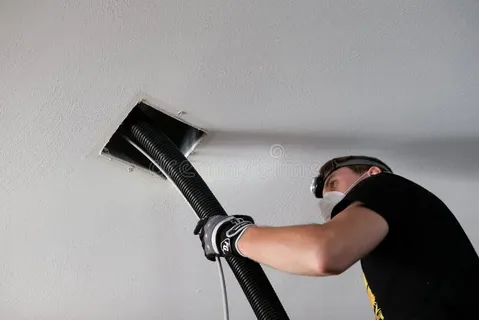
How to Find Reliable Air Duct Cleaning Services in San Diego, CA

How to Find Reliable Air Duct Cleaning Services in San Diego, CA

Air Duct Cleaning Services

Finding dependable professionals begins with understanding what a quality service should actually include. Homeowners searching for air duct cleaning services in San Diego, CA should look beyond a basic vacuuming appointment and consider the company’s experience, cleaning methods, equipment, inspection process, and approach to protecting the home. A reliable provider should be able to explain what areas of the HVAC system will be cleaned, what problems they can identify, and what customers can reasonably expect from the service.

air duct cleaning services in San Diego, CA can be particularly useful when dust, debris, or other contaminants have accumulated inside accessible portions of an HVAC system. Over time, particles can collect in supply and return pathways, registers, grilles, and other components. Professional cleaning can help remove accumulated debris and support a cleaner HVAC environment when cleaning is appropriate for the condition of the system.

A trustworthy company should also explain the limitations of the service. Air duct cleaning is not a substitute for repairing a damaged HVAC system, correcting moisture problems, replacing severely deteriorated ductwork, or maintaining filters and equipment according to manufacturer recommendations. A professional approach starts with identifying the actual condition of the system instead of promising unrealistic results.

San Diego homes can experience different indoor environmental conditions depending on the property’s age, construction, HVAC design, surrounding environment, and maintenance history. Because of these differences, a reliable provider should avoid using a one-size-fits-all approach. The technician should assess the situation and explain whether cleaning is appropriate, which components require attention, and what procedures will be performed.

Another useful consideration is the company’s ability to handle related household maintenance needs. For example, a dryer vent cleaning service can address accumulated lint and debris in the dryer vent pathway. dryer vent cleaning service Keeping the dryer vent pathway maintained is an important household maintenance task because restricted airflow can affect dryer performance and increase drying times.

What to Look for in a Reliable Provider

Before scheduling an appointment, homeowners should evaluate several factors. First, look at how clearly the company explains its services. Professional businesses should be willing to answer questions about equipment, procedures, areas included in the cleaning, preparation requirements, and post-service recommendations.

Second, consider experience. A company that regularly works with residential HVAC systems is more likely to understand the differences between duct configurations, access points, registers, return systems, and other components. Experience also matters when technicians encounter unexpected conditions during an appointment.

Third, ask about the inspection process. A responsible provider should not automatically recommend extensive work without considering the actual condition of the system. An inspection can help determine whether visible debris, excessive dust accumulation, restricted airflow, or other maintenance concerns justify professional attention.

Customers should also pay attention to communication. Clear estimates, straightforward explanations, professional scheduling, and transparent service descriptions are signs of a customer-focused company. Be cautious of providers that rely heavily on pressure tactics or make extraordinary promises without inspecting the property.

Why Professional Standards Matter

Professional standards are especially important when work involves an HVAC system. Ductwork connects different areas of a home, and careless cleaning practices can potentially disturb dust and debris or damage components. Technicians should use suitable equipment and take reasonable precautions to keep the surrounding living areas protected.

A quality service should also include attention to cleanliness during and after the work. Technicians should protect floors and nearby furnishings where necessary, manage removed debris responsibly, and leave accessible work areas in an orderly condition.

Homeowners can strengthen their decision by asking for a written description of the work. This helps prevent misunderstandings about what is included. If a company recommends additional services, customers should understand why the recommendation was made and whether it is necessary immediately or can be addressed as part of routine maintenance.

Building Confidence Before Scheduling

Choosing a reliable provider does not have to be complicated. Start by identifying the condition of the HVAC system, determine why cleaning is being considered, and compare providers based on experience, transparency, professionalism, and service quality rather than price alone.

It is also helpful to maintain realistic expectations. Professional cleaning can address accumulated debris in appropriate parts of a system, but maintaining a cleaner indoor environment involves more than one service. Regular filter replacement, appropriate HVAC maintenance, moisture control, and general household cleaning can all contribute to a well-maintained home.

For San Diego homeowners, the best service decision is one based on the property’s actual needs. A reputable company should explain the process clearly, provide honest recommendations, and focus on completing the work safely and professionally. By asking the right questions before scheduling, homeowners can make a more informed choice and establish a maintenance plan that supports the long-term condition of their HVAC system.

Compare Experience, Equipment, and Cleaning Methods

Once you understand what professional HVAC cleaning should involve, the next step is comparing potential service providers carefully. Not every company approaches duct cleaning in the same way, so homeowners should look at the experience, equipment, inspection practices, and overall professionalism of each provider before making a decision.

Experience is one of the most useful factors to evaluate. A company with practical experience working on residential HVAC systems is more likely to recognize different duct configurations, access points, registers, return pathways, and system components. Experienced technicians can also identify situations where additional attention may be necessary, such as visible debris, restricted access, damaged components, or conditions that could interfere with effective cleaning.

Evaluate the Cleaning Equipment

Professional equipment can make a significant difference in how efficiently accumulated debris is removed. Homeowners should ask what type of equipment the company uses and how technicians control dust during the process. A reputable provider should be able to explain its general cleaning procedure in understandable terms rather than simply stating that it uses “professional equipment.”

The cleaning approach should be appropriate for the HVAC system and the areas being serviced. Technicians should work methodically and avoid unnecessarily disturbing surrounding surfaces. Proper preparation and containment can help reduce the chance of debris spreading into occupied areas.

Homeowners should also ask whether the company inspects the system before beginning. An initial assessment gives technicians an opportunity to understand the condition of the ductwork and determine how accessible different components are. It also gives the customer a clearer understanding of what work is actually being recommended.

Consider the Company’s Broader Maintenance Capabilities

A reliable home-service provider may offer several maintenance solutions that can complement routine HVAC care. For example, clean windows can contribute to a more comfortable and well-maintained living environment. When evaluating a provider, homeowners looking for window cleaning near me should consider whether the company offers professional service, clear scheduling, and an approach suited to the property’s windows.

window cleaning near me

Looking at related services can also help homeowners choose a provider capable of addressing multiple maintenance needs through one trusted company. However, each service should still be evaluated according to its own requirements. A company offering several services should demonstrate appropriate knowledge and equipment for each type of work rather than relying solely on its general reputation.

Ask About the Service Process

Before booking an appointment, ask the provider to explain what happens from arrival through completion. Questions can include:

Clear answers can help distinguish a professional provider from a company that gives vague or overly broad promises.

Customers should also request an estimate before work begins. The estimate should make it reasonably clear what services are included and whether additional charges could apply. If unexpected conditions are discovered, a trustworthy technician should explain the issue and discuss additional work before proceeding whenever possible.

Be Careful With Extremely Low Prices

Price is naturally an important consideration, but the cheapest quote is not necessarily the best value. A very low price may reflect limited service coverage, minimal equipment, inexperienced labor, or additional charges that appear later.

Instead of comparing only the final price, homeowners should compare what each provider actually includes. A slightly higher quote may represent better preparation, more thorough service, stronger communication, or greater attention to protecting the property.

At the same time, a high price does not automatically guarantee superior quality. The best decision comes from comparing the complete service package, including experience, equipment, scope of work, communication, and customer support.

Look for Transparency and Professionalism

Professionalism should be visible throughout the customer experience. From the first phone call or online inquiry to the final walkthrough, the company should communicate clearly and respectfully. Service descriptions should be understandable, appointment details should be confirmed, and customers should have an opportunity to ask questions.

Reviews can also provide useful insight, although they should not be the only factor in a decision. Look for consistent patterns in customer feedback rather than focusing on one exceptionally positive or negative review. Comments about punctuality, communication, workmanship, cleanliness, and problem resolution can be particularly informative.

Ultimately, choosing a reliable provider involves more than searching for the closest or cheapest option. Homeowners should compare practical experience, cleaning methods, equipment, communication, and overall service standards. Taking time to evaluate these factors can make it easier to select a professional company that treats the property carefully and provides a service based on genuine household needs.

Evaluate Cleaning Quality, Safety, and Professional Work Practices

A reliable home-maintenance provider should place equal importance on cleaning quality, safety, and professional work practices. When comparing companies, homeowners should look beyond advertising claims and determine whether the provider has a clear process for assessing the property, protecting the surrounding area, completing the requested work, and communicating any concerns discovered during the appointment.

One important consideration is the condition of the areas surrounding HVAC equipment. Dust and debris can accumulate in many parts of a home over time, particularly in areas that are difficult to reach during ordinary household cleaning. Professional maintenance should therefore be approached systematically rather than as a quick surface-level task.

Understand the Importance of Proper Preparation

Before technicians begin work, the service area should be assessed and prepared appropriately. Furniture, flooring, walls, and nearby household items may need reasonable protection depending on the location of the equipment and the cleaning process. A professional team should take practical steps to minimize unnecessary mess and keep the work area organized.

Homeowners can ask what preparation is required before the appointment. Some providers may recommend keeping access points clear, moving fragile items, or making sure technicians can reach HVAC equipment easily. Following these instructions can help the appointment proceed efficiently.

Preparation also gives homeowners an opportunity to identify concerns they want technicians to examine. If certain rooms have noticeable dust accumulation, unusual airflow, or recurring maintenance concerns, customers can mention those observations before the work begins.

Look for a Systematic Approach

Quality service should follow a logical sequence rather than relying on random cleaning. Technicians should understand the layout of the system, identify accessible components, use appropriate tools, and work carefully through the areas included in the service.

A systematic approach can help prevent technicians from overlooking accessible areas. It also allows customers to understand what has been completed and what areas may require separate maintenance.

Homeowners should remember that every HVAC system is different. The design, age, accessibility, duct material, and previous maintenance history can affect the appropriate approach. A professional should therefore avoid making assumptions before inspecting the system.

Consider Related Exterior Maintenance

Home maintenance does not stop inside the HVAC system. Exterior surfaces can also collect dirt, dust, grime, and other environmental buildup. Professional pressure washing can help restore the appearance of suitable exterior surfaces when the appropriate equipment and techniques are used.

pressure washing

When considering this type of service, homeowners should make sure the provider understands the surface being cleaned. Concrete, siding, patios, walkways, decks, and other materials may require different pressure levels and cleaning techniques. Excessive pressure can potentially damage surfaces, so professional judgment matters.

This is another reason to evaluate a company’s overall professionalism instead of choosing solely based on price. A provider should understand that effective cleaning involves using the right method for the specific material and condition.

Ask About Safety Practices

Safety should remain a priority throughout any home-maintenance appointment. Technicians may work around electrical components, HVAC equipment, ladders, confined access areas, cleaning equipment, or exterior surfaces. Appropriate precautions help reduce unnecessary risks.

Customers can ask whether technicians are trained to work with the equipment involved and whether the company follows appropriate safety procedures. A professional team should also communicate if a particular condition prevents them from safely completing part of the requested work.

Homeowners should never feel pressured to approve unnecessary repairs or additional services simply because a technician identifies a potential issue. A trustworthy provider should explain what was observed, why it matters, and what options may be available.

Pay Attention to Communication

Good communication is an important indicator of professionalism. Before the appointment, customers should receive understandable information about scheduling, expected service, and pricing. During the visit, technicians should be willing to answer reasonable questions.

Afterward, the customer should understand what work was completed and whether any maintenance recommendations were made. Clear communication helps establish realistic expectations and reduces misunderstandings.

A provider that communicates well is also more likely to build long-term customer relationships. Home maintenance is rarely limited to one appointment, and homeowners often benefit from having a reliable company they can contact when additional maintenance needs arise.

Focus on Long-Term Maintenance

Professional cleaning should be considered part of a broader home-maintenance strategy rather than an isolated solution. Regular HVAC maintenance, appropriate filter changes, moisture management, household cleaning, and attention to unusual system performance can all contribute to maintaining a comfortable home environment.

Homeowners should follow manufacturer recommendations for their HVAC equipment and consult qualified professionals when technical repairs are necessary. Cleaning alone cannot correct every HVAC problem. If ductwork is damaged, equipment is malfunctioning, or another underlying issue exists, the appropriate repair or assessment may be necessary.

Ultimately, reliable service combines technical awareness with careful workmanship. By evaluating preparation, cleaning methods, safety practices, communication, and long-term maintenance recommendations, San Diego homeowners can make more informed decisions and choose providers that prioritize quality instead of simply completing a quick appointment.

Check the Company’s Reputation, Transparency, and Customer Service

A company’s reputation can provide valuable insight when you are deciding which home-service provider to trust. While online reviews should never be the only factor in your decision, they can help you understand how a business communicates with customers, handles appointments, responds to concerns, and approaches completed projects.

Start by looking for consistent feedback rather than relying on a single review. Several comments mentioning punctuality, professionalism, careful workmanship, clear pricing, and respectful communication can provide a more useful picture of the customer experience. Negative reviews should also be considered carefully. One isolated complaint may not represent the overall quality of a business, while repeated complaints about the same issue may deserve additional attention.

Look Beyond Star Ratings

A high overall rating can be encouraging, but homeowners should examine what customers are actually saying. Detailed reviews are generally more informative than ratings without explanations. Look for comments describing the service process, technician behavior, communication, cleanliness, and whether the work matched the customer’s expectations.

It is also helpful to determine whether the business responds professionally to customer concerns. A thoughtful response can demonstrate that the company takes feedback seriously and attempts to resolve legitimate problems.

Homeowners should avoid selecting a company solely because it has the highest number of reviews. A smaller company with consistently detailed feedback and strong communication may provide a better experience than a larger company with a less personal approach.

Ask for Clear Pricing

Transparent pricing is another important consideration. Before scheduling, ask what is included in the quoted service and whether additional charges could apply. This can prevent confusion when the appointment is completed.

A professional company should be able to explain the basic scope of work without relying on complicated language. If additional work becomes necessary after an inspection, the customer should understand why it is being recommended and what the additional cost would be before authorizing it.

Homeowners should also be cautious about unusually low introductory offers. A discounted starting price may not represent the final cost if important services are excluded. Comparing the complete scope of work is more useful than comparing advertised prices alone.

Evaluate Customer Communication

Customer service begins before the technician arrives. A professional company should make reasonable efforts to answer questions, confirm appointment details, and provide useful information about preparing the property.

Good communication also continues after the appointment. Customers should know what was completed and whether the technician identified conditions that may require future attention.

This is particularly important when a homeowner is unfamiliar with HVAC maintenance. Technical information should be explained in straightforward language so customers can make informed decisions without feeling pressured.

Verify the Company’s Service Information

Take time to review the company’s website and service descriptions. Look for information about the types of work offered, service areas, general processes, and ways to contact the business.

A well-maintained website can demonstrate that a company takes its customer-facing information seriously. However, website quality alone does not prove workmanship. It should be considered alongside reviews, communication, experience, and the clarity of the service agreement.

Homeowners can also ask questions directly if something on the website is unclear. A reputable business should be comfortable explaining its services rather than avoiding reasonable questions.

Consider Experience With Different Homes

San Diego contains a wide variety of residential properties, and HVAC configurations can differ substantially from one home to another. Older properties may have different duct layouts and maintenance histories compared with newer construction. Some systems may also have accessibility limitations that affect how technicians perform their work.

Experience with different property types can therefore be useful. A knowledgeable technician should understand that there is no universal procedure that applies identically to every residence.

Before scheduling, homeowners can describe their property and ask whether the company has experience working with similar systems. Providing information about the home’s age, HVAC setup, previous maintenance, or known concerns can help the company determine what preparation may be necessary.

Avoid High-Pressure Sales Tactics

Customers should be cautious when a provider uses fear or urgency to sell unnecessary services. Professional recommendations should be based on observable conditions and explained clearly.

For example, if a technician discovers an issue that falls outside the original service, the homeowner should be given an understandable explanation. Depending on the situation, the customer may choose to obtain a second opinion before approving significant additional work.

A trustworthy company should prioritize accurate information over aggressive sales. Its goal should be helping the homeowner understand the property’s maintenance needs rather than creating unnecessary anxiety.

Why Trust Matters

Home services involve entering a customer’s property, working around valuable belongings, and interacting with systems that affect daily comfort. Trust therefore matters just as much as technical capability.

A reliable company demonstrates trustworthiness through consistent communication, transparent pricing, professional behavior, careful workmanship, and honest recommendations. These qualities can help create a better customer experience and encourage homeowners to maintain their property proactively.

When comparing providers, take a balanced approach. Review customer feedback, examine the company’s service information, ask about pricing, evaluate communication, and pay attention to how questions are answered. These steps can help you identify a provider that values professionalism and customer satisfaction.

Most importantly, remember that choosing a home-service company is not simply about finding someone available on a particular day. The goal is to find a provider that can deliver appropriate service while treating your home and your concerns with respect. A careful evaluation before scheduling can reduce misunderstandings and help establish a dependable relationship for future maintenance needs.

Know When Professional Maintenance Should Be Considered

Knowing when to arrange professional home maintenance can help homeowners address problems before they become more complicated. Many household systems operate quietly for years, which means early signs of wear, restricted performance, or accumulated debris can sometimes be overlooked. Paying attention to changes in comfort, airflow, cleanliness, and equipment performance can help determine when professional attention may be appropriate.

One useful approach is to distinguish between routine maintenance and an active problem. Routine maintenance is intended to keep household systems functioning properly and identify potential concerns early. Active problems, on the other hand, may require prompt inspection or repair because something is already affecting performance.

Watch for Changes in Indoor Conditions

Homeowners may notice increased dust around registers, unusual odors, inconsistent airflow, or changes in how quickly rooms become comfortable. These signs can have multiple causes, so they should not automatically be attributed to one particular issue.

For example, increased household dust may result from ordinary cleaning conditions, construction, open windows, pets, inadequate filtration, or other environmental factors. Unusual odors may also originate from several sources. A professional assessment can help determine whether the HVAC system is contributing to the concern.

It is important not to rely on a single symptom as proof that a particular service is necessary. Instead, consider the overall condition of the property and the history of maintenance.

Pay Attention to HVAC Performance

Changes in HVAC performance deserve attention. If certain rooms consistently feel warmer or cooler than others, airflow appears weaker than usual, or the system is behaving differently from its normal operation, homeowners should investigate the cause.

These symptoms can sometimes be associated with airflow restrictions, equipment issues, ductwork concerns, thermostat problems, insulation, or other factors. Cleaning may be appropriate in some circumstances, but it is not a universal solution.

A qualified professional can help determine whether cleaning, repair, adjustment, or another form of maintenance is appropriate. This diagnostic approach is more reliable than assuming that every performance issue has the same cause.

Keep Filters Properly Maintained

Filters play an important role in maintaining HVAC system performance. Homeowners should check their filters according to the equipment manufacturer’s recommendations and replace or clean them as appropriate.

A dirty filter can restrict airflow and place additional strain on equipment. However, filter requirements vary depending on the HVAC system, filter type, household conditions, and manufacturer specifications.

Homes with higher levels of dust or other household particles may require more frequent attention, but homeowners should follow equipment guidance rather than adopting an arbitrary replacement schedule.

Consider the Property’s Maintenance History

Maintenance history can influence whether professional attention is appropriate. If a property has recently undergone remodeling, construction, significant repairs, or other activities that generated substantial dust, homeowners may want to discuss the condition of the HVAC system with a professional.

Similarly, if a property has not received relevant maintenance for an extended period, an assessment may provide useful information about its current condition.

Keeping records of previous maintenance can also make future appointments easier. Dates of HVAC servicing, filter changes, repairs, and other major work can help technicians understand the system’s history.

Address Moisture Concerns Promptly

Moisture deserves particular attention because persistent damp conditions can create broader property-maintenance concerns. If homeowners notice unexplained moisture around HVAC equipment, ceilings, walls, or other areas, they should investigate the source rather than attempting to solve only the visible symptom.

Potential moisture problems may involve condensation, plumbing, drainage, roofing, HVAC operation, or other building conditions. Correcting the underlying source is generally more important than simply cleaning the affected surface.

When necessary, homeowners should seek an appropriate qualified professional who can evaluate the specific problem.

Think About Seasonal Maintenance

Seasonal changes can be a useful reminder to review household maintenance. Before periods of heavier HVAC use, homeowners can check filters, confirm that vents and registers are unobstructed, and make sure the system receives appropriate routine maintenance.

Preparing ahead can also make it easier to identify unusual performance before it becomes an urgent issue. If a system begins showing warning signs during a period of high demand, scheduling professional attention may become more difficult or inconvenient.

A proactive approach can therefore save time and reduce unnecessary stress.

Understand the Difference Between Cleaning and Repair

One of the most important things homeowners should understand is that cleaning and repair are different services. Cleaning addresses accumulated dirt or debris where professional cleaning is appropriate. Repair addresses damaged, malfunctioning, or defective components.

If a technician discovers damaged ductwork, malfunctioning equipment, electrical concerns, or another mechanical issue, cleaning alone may not resolve it.

A trustworthy provider should explain the distinction and avoid presenting cleaning as a solution for problems it cannot correct.

Use Professional Recommendations Wisely

Professional recommendations are most useful when they are based on an actual assessment. Homeowners should feel comfortable asking why a particular service is recommended, what problem it addresses, and whether it requires immediate attention.

Questions can help customers understand the situation and make informed choices. A professional should be able to explain recommendations in practical terms rather than relying on technical jargon or fear-based claims.

Ultimately, reliable home maintenance comes from paying attention to changes, keeping up with basic care, and seeking professional assistance when the property’s condition warrants it. By understanding the difference between routine maintenance, cleaning, and repair, homeowners can make better decisions about protecting their home’s comfort and long-term condition.

Understand the Value of Professional Home Repair and Installation

Home maintenance often involves more than one type of service. While HVAC-related maintenance can be an important part of keeping a property comfortable, homeowners may also encounter everyday repair and installation projects that require professional skills. Handling these tasks correctly can help maintain the functionality, appearance, and usability of different areas throughout a home.

When deciding whether to handle a project independently or hire a professional, homeowners should consider the complexity of the task, the tools required, the potential safety risks, and the importance of completing the work correctly the first time. Simple maintenance may be suitable for a homeowner, but projects involving structural components, electrical connections, plumbing, fixtures, or specialized equipment may require professional knowledge.

Recognize When a Repair Requires Professional Attention

Small problems can sometimes become more complicated when they are ignored. A loose fixture, damaged hardware, sticking door, deteriorating surface, or malfunctioning household component may initially appear minor, but continued use can sometimes make the problem worse.

Professional handyman repair services can provide practical assistance with a range of household repair needs. handyman repair services A dependable handyman should assess the problem, explain the recommended solution, and use suitable tools and materials for the task.

Before hiring a professional, homeowners should describe the problem as accurately as possible. Providing information about when the issue started, what symptoms have appeared, and whether any previous repair attempts were made can help the service provider understand the situation.

Do Not Ignore Small Household Problems

Homeowners sometimes postpone minor repairs because they do not appear urgent. However, delaying maintenance can allow certain problems to develop further.

For example, a loose cabinet component may eventually become damaged, while a small fixture problem could become more difficult to address later. Addressing issues at an appropriate stage can make maintenance more manageable.

This does not mean every minor problem requires immediate professional service. Instead, homeowners should evaluate the condition and determine whether the issue affects safety, functionality, or the property’s condition.

Installation Requires Planning

Installation projects also deserve careful consideration. Installing a fixture, household component, storage system, or other item may appear straightforward, but the correct result depends on accurate measurements, appropriate tools, secure mounting, and attention to the surrounding structure.

Homeowners searching for handyman installation near me should evaluate providers based on experience, communication, reliability, and the type of installation they can appropriately perform. handyman installation near me

Before an installation appointment, customers should clarify what needs to be installed, where it will be located, and whether the necessary components and hardware are already available. Clear preparation can help prevent delays and unexpected complications.

Why Measurements Matter

Accurate measurements are essential for many installation projects. An item that appears suitable in a photograph or showroom may not fit the intended location once dimensions, clearance, doors, walls, outlets, or other surrounding features are considered.

A professional can assess the available space and determine whether the selected item is appropriate. This is particularly useful when installation requires precise alignment or secure attachment.

Homeowners should also avoid making assumptions about compatibility. If an item requires specialized mounting hardware or connections, the installer should verify the requirements before beginning the work.

Safety Should Come First

Safety is one of the strongest reasons to consider professional assistance for certain household projects. Some repairs and installations may involve ladders, heavy items, electrical components, plumbing connections, wall mounting, or tools that require appropriate handling.

A professional should know when a task falls within the appropriate scope of their service and when another specialized professional may be required. This distinction is important because not every household project should be treated as a general repair.

Homeowners should also communicate any known concerns before work begins. If there are hidden pipes, wiring, previous repairs, fragile surfaces, or structural limitations, providing that information can help the technician plan the work more carefully.

Quality Work Goes Beyond Appearance

A successful repair or installation should not simply look good after completion. It should also function correctly and be completed with appropriate attention to durability.

For repairs, this means addressing the underlying problem when possible rather than temporarily covering up visible damage. For installations, it means ensuring that components are positioned correctly, securely attached, and suitable for their intended use.

Customers can ask what materials will be used and what preparation is required. Understanding these details can help set realistic expectations about the completed project.

Choose a Provider With Clear Communication

Good communication is especially important when a homeowner has several maintenance needs. A professional provider should be able to explain what can be handled as part of the requested service and identify situations where additional expertise may be necessary.

Customers should also receive clear information about scheduling and pricing. If the scope of work changes after an inspection, the provider should explain the reason for the change before performing additional work whenever possible.

Transparency helps homeowners remain in control of their maintenance decisions.

Combine Maintenance With a Long-Term Home Care Strategy

A well-maintained home benefits from regular attention rather than occasional emergency repairs. Homeowners can create a simple maintenance checklist covering HVAC care, exterior cleaning, household repairs, fixtures, installations, and other property needs.

Keeping track of completed work can also help identify recurring problems. If the same issue appears repeatedly, it may indicate an underlying condition that requires a more comprehensive solution.

Professional assistance can be particularly valuable when a task requires experience, specialized tools, or careful installation. The goal is not to hire a professional for every minor household task, but to recognize when professional expertise can improve safety, efficiency, and long-term results.

By approaching repairs and installations thoughtfully, homeowners can maintain their properties more effectively while avoiding unnecessary risks. Choosing an experienced and transparent service provider can make individual projects easier to manage and contribute to a broader strategy of responsible home maintenance.

Home Project When Professional Help May Be Useful Key Benefit
Minor household repairs When the problem is difficult to diagnose or safely repair Reliable, lasting results
Fixture installation When accurate positioning or secure mounting is required Better fit and stability
Wall-mounted items When proper anchors and measurements are needed Improved safety
Door or cabinet adjustments When alignment problems continue Smoother operation
Hardware replacement When the correct parts or tools are difficult to identify Proper installation
Routine property maintenance When several small tasks need attention Saves time and effort
Larger repair projects When the work involves unfamiliar tools or potential hazards Reduces unnecessary risk
Installation preparation When measurements, clearance, or compatibility are uncertain Helps prevent installation problems

Build a Practical Home Maintenance Routine

Reliable home care is easier when maintenance becomes a routine rather than something handled only after a problem appears. A simple schedule can help homeowners keep track of HVAC care, cleaning, exterior upkeep, repairs, and installation needs throughout the year.

Create a Maintenance Checklist

Start with a basic checklist that covers the home’s major systems and frequently used areas. Include filter checks, HVAC inspections, exterior cleaning, window care, dryer vent maintenance, and general repairs as appropriate for the property.

The exact schedule should depend on the home’s equipment, manufacturer’s recommendations, property conditions, and previous maintenance history. Avoid assuming that every household requires the same frequency for every task.

Monitor HVAC Performance

Homeowners should pay attention to changes in heating and cooling performance. Uneven temperatures, unusual noises, reduced airflow, or unexplained odors can indicate that an HVAC system needs professional evaluation.

Keeping vents and registers unobstructed is another simple maintenance step. Furniture, curtains, rugs, and other household items should not unnecessarily block airflow.

Regular filter checks are also important. Filters should be maintained according to the manufacturer’s instructions and replaced or cleaned when appropriate.

Keep the Exterior Maintained

Exterior surfaces are exposed to weather, dust, vehicle emissions, pollen, and everyday environmental buildup. Periodic cleaning can help preserve the appearance of suitable surfaces and make it easier to identify damage.

Homeowners should inspect exterior areas periodically for cracks, staining, loose materials, drainage concerns, or other changes. Cleaning should always use a method appropriate for the specific surface.

Maintain Windows and Accessible Areas

Clean windows can improve the appearance of a home and allow homeowners to notice problems such as damaged seals, deteriorating frames, or accumulated buildup.

Accessible windows can be included in routine household cleaning, while difficult-to-reach areas may require professional assistance. Homeowners should prioritize safety rather than attempting risky cleaning tasks from unstable ladders or elevated locations.

Keep Records of Completed Work

A maintenance record can be surprisingly useful. Write down the date of major services, repairs, inspections, equipment replacements, and other significant work.

These records can help homeowners identify recurring problems and provide useful background information to technicians. They can also make it easier to determine when a particular system was last professionally evaluated.

A simple digital note or household spreadsheet can be enough. There is no need for complicated software unless the homeowner prefers a more detailed system.

Plan for Seasonal Needs

Seasonal changes provide useful reminders to review household conditions. Before periods of increased HVAC use, homeowners can inspect filters, confirm that vents are unobstructed, and arrange appropriate maintenance if needed.

Exterior cleaning may also be more practical during suitable weather conditions. Planning ahead can reduce the likelihood of having to schedule maintenance during an urgent situation.

Know What You Can Safely Do Yourself

Some maintenance tasks are simple enough for homeowners to perform themselves. Replacing an appropriate filter, cleaning accessible surfaces, checking visible areas for damage, and keeping household spaces organized may not require professional assistance.

However, homeowners should avoid attempting work that involves unfamiliar electrical systems, gas equipment, structural components, difficult heights, or other significant hazards.

Knowing when to stop and call a qualified professional is an important part of responsible home maintenance.

Respond to Problems Early

A maintenance routine should not replace professional attention when a genuine problem develops. If an HVAC system suddenly stops working, a leak appears, an electrical issue is suspected, or a structural concern becomes visible, the appropriate professional should be contacted.

Early attention can sometimes prevent a small issue from developing into a more expensive or disruptive problem.

Choose Service Providers Carefully

When professional assistance is necessary, use the same evaluation principles discussed throughout this guide. Look for transparent communication, appropriate experience, clear service descriptions, reasonable pricing, and professional customer care.

Do not choose a provider solely because it offers the lowest price or promises immediate results. A quality service should be based on the property’s actual needs.

Make Maintenance Consistent

The most effective maintenance routine is one homeowners can realistically follow. Rather than creating an overwhelming checklist, begin with essential tasks and gradually add others based on the home’s age, equipment, location, and condition.

Consistent attention can make household maintenance more predictable. It can also help homeowners recognize unusual changes sooner, keep service records organized, and make better decisions about when professional assistance is necessary.

A proactive approach ultimately supports a cleaner, safer, and more functional living environment. By combining routine observation with appropriate professional services, homeowners can manage their properties with greater confidence and avoid treating every maintenance need as an emergency.

Make an Informed Decision and Maintain Your Home With Confidence

Choosing a dependable home-service provider is ultimately about more than finding someone who can complete a task. Homeowners want confidence that the work will be approached responsibly, explained clearly, and completed with appropriate attention to their property. By considering experience, communication, service quality, safety, and transparency, you can make a more informed decision.

Start With Your Actual Needs

Before contacting a company, identify what you have noticed in your home. Perhaps airflow has changed, dust appears to accumulate quickly, an exterior surface needs cleaning, or a household fixture requires attention. Having a clear understanding of the problem helps you communicate effectively with the service provider.

Avoid assuming that a particular service is automatically the solution. Different problems can produce similar symptoms, and a professional assessment may be necessary to determine the appropriate course of action.

Ask the Right Questions

A few straightforward questions can help you evaluate a provider:

  • What does the service include?
  • How is the work performed?
  • Will the property be inspected before work begins?
  • What preparation is required?
  • Is the estimate based on the actual scope of work?
  • Could additional charges apply?
  • What happens if another problem is discovered?
  • How will the work area be protected?
  • What maintenance should be performed afterward?

The answers can reveal how transparent and customer-focused a company is.

Consider the Complete Value

Price should be considered alongside quality and service. A low-cost option may not provide the same level of preparation, communication, equipment, or workmanship as another provider.

At the same time, a higher price does not automatically mean better service. Compare the complete offering instead of focusing on a single number.

A dependable provider should make it reasonably clear what the customer is paying for and should avoid using confusing pricing structures or unnecessary pressure.

Look for Professionalism

Professionalism can be reflected in many small details. Clear appointment communication, punctuality, respectful technicians, organized work practices, and careful cleanup all contribute to the customer experience.

A professional company should also be willing to explain its recommendations. Customers should not feel uncomfortable asking why a particular service or additional repair has been suggested.

Think About Long-Term Results

Good maintenance is not only about solving today’s problem. It should also help homeowners understand how to care for their property going forward.

Ask what routine steps can help maintain the condition of the system or area that was serviced. Manufacturer recommendations should always be followed for HVAC equipment and other household products.

Keep records of professional appointments, repairs, inspections, and replacements. These records can be valuable when planning future maintenance or explaining the property’s history to another technician.

Know When Professional Help Is Appropriate

Homeowners can handle many basic maintenance tasks, but certain work is better left to trained professionals. Tasks involving electrical systems, complex HVAC components, difficult access areas, structural elements, or potentially hazardous equipment may require specialized knowledge.

Attempting unfamiliar work without the proper tools or training can create unnecessary risks or cause additional damage. When in doubt, obtaining professional advice is often the safer choice.

Why a Complete Maintenance Approach Matters

A home consists of interconnected systems and surfaces that all require different types of care. HVAC equipment, vents, windows, exterior surfaces, fixtures, and household components can each develop their own maintenance requirements.

Instead of waiting until several problems appear at once, homeowners can use a simple maintenance schedule. Regular inspections and timely attention make it easier to identify changes and decide when professional services are appropriate.

Choose a Company You Can Trust

For homeowners searching for dependable service in San Diego, the decision should ultimately be based on evidence of professionalism and a commitment to customer satisfaction. Review the company’s services, evaluate communication, ask questions, and make sure the proposed work matches the actual needs of your property.

A reliable provider should focus on practical solutions rather than making exaggerated promises. It should also respect the homeowner’s decisions and provide enough information to make those decisions confidently.

Final Thoughts

Finding the right home-service provider becomes much easier when you know what to evaluate. Start by identifying your property’s needs, compare companies carefully, ask clear questions, review the scope of work, and consider quality alongside price.

Professional maintenance can be a valuable part of responsible homeownership, but it should always be approached realistically. Cleaning cannot replace repairs when equipment is damaged, and routine maintenance cannot eliminate every possible household problem. The best results come from combining appropriate professional services with regular homeowner care.

With a practical maintenance routine and a trustworthy service provider, homeowners can keep their properties in better condition while responding to problems before they become unnecessarily disruptive. Taking the time to choose carefully today can contribute to a more comfortable, functional, and well-maintained home over the long term.

Frequently Asked Questions

1. How do I choose a reliable air duct cleaning company in San Diego?

Look for a company with relevant experience, transparent pricing, clear service descriptions, professional communication, and positive customer feedback. Ask what the service includes, what equipment is used, and whether the system will be assessed before cleaning begins.

2. How often should air ducts be professionally cleaned?

There is no universal schedule for every home. The appropriate timing depends on factors such as the property’s condition, HVAC maintenance history, household environment, and whether significant debris or other concerns are present. A professional assessment can help determine whether cleaning is appropriate.

3. What should I do before a professional cleaning appointment?

Make sure technicians can access the relevant HVAC equipment, registers, and work areas. Remove fragile or unnecessary items from the immediate area and follow any preparation instructions provided by the service company.

4. Can professional cleaning fix HVAC airflow problems?

Not always. Reduced airflow can have many causes, including equipment problems, blocked filters, ductwork issues, or other system conditions. Cleaning may help when accumulated debris is contributing to the problem, but a professional evaluation is necessary to identify the actual cause.

5. How can I maintain my HVAC system after professional service?

Follow the manufacturer’s maintenance recommendations, check and replace filters as appropriate, keep vents unobstructed, monitor unusual changes in performance, and arrange professional maintenance when necessary. Keeping records of previous service can also help with future HVAC care.

References

Leave a Reply

Your email address will not be published. Required fields are marked *