
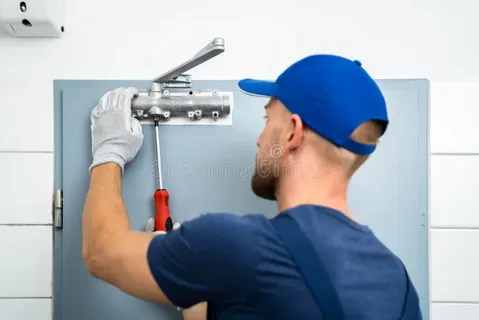
Choosing the right professional for a home installation project starts with understanding exactly what you need to accomplish. Before contacting a service provider, identify the item that needs to be installed, where it will be installed, the approximate size of the project, and whether any preparation is required. Having this information ready can make communication easier and help you receive a more accurate understanding of the work involved.
Homeowners considering Handyman Installation Services in San Diego, CA should look for a provider that emphasizes careful planning, accurate measurements, appropriate tools, and professional workmanship. Handyman Installation Services in San Diego, CA A reliable professional should be able to discuss the installation process, explain what preparation is necessary, and identify any conditions that could affect the project.
Identify the Scope of the Project
Installation projects can vary considerably. Some involve mounting household fixtures, while others may require assembling furniture, installing hardware, positioning accessories, or completing other practical improvements around a property. Understanding the scope before scheduling helps prevent misunderstandings.
Make a list of everything you want completed. If several items need installation, describe each one separately. Include information about the location, approximate dimensions, and whether the items have already been purchased.
It is also useful to check the manufacturer’s instructions before the appointment. Some products require specific mounting hardware, minimum clearances, or installation procedures. Providing these instructions to the professional can help ensure that the work is performed according to the product’s requirements.
Consider the Installation Location
The location of an installation can influence the tools, materials, access, and preparation required. A wall-mounted item, for example, may require attention to the wall material and available mounting points. An installation near plumbing, electrical components, doors, windows, or other fixtures may also require additional planning.
Before work begins, the professional should assess the area and determine whether the planned installation is appropriate. Homeowners should mention any known concerns, including previous repairs, unusual wall construction, hidden utilities, or limited access.
Good planning can help prevent unnecessary damage and reduce the likelihood of having to reposition an item after installation.
Ask About Materials and Hardware
Not every installation comes with everything necessary for a secure setup. Some products include basic hardware, while others require separate anchors, brackets, fasteners, or other materials.
Ask the service provider whether you need to purchase anything before the appointment. If the professional supplies materials, clarify what will be used and whether those materials are included in the estimate.
The correct hardware should be selected according to the installation surface and the weight or intended use of the item. Using unsuitable hardware can affect stability and durability.
Evaluate Professional Experience
Experience matters because installation is not simply about placing an item in a particular location. Proper installation may involve measuring, leveling, aligning, securing, assembling, and checking the finished result.
When evaluating a company, ask about its experience with projects similar to yours. A provider familiar with a wide range of residential maintenance tasks may be better prepared to identify potential complications before work begins.
However, experience should not be considered in isolation. Communication, professionalism, transparent pricing, and customer reviews are also useful factors when comparing providers.
Think About Safety
Safety should always be considered when planning an installation. Depending on the project, the work may involve ladders, heavy items, wall mounting, power tools, electrical connections, or other potential hazards.
Homeowners should avoid attempting tasks that exceed their skills or involve significant risks. A professional can determine whether the requested project is appropriate for their scope of work and whether specialized expertise is required.
If an installation involves electrical, plumbing, structural, gas, or other specialized work, the appropriate licensed professional may be necessary instead of a general handyman.
Prepare the Area Before the Appointment
Good preparation can make an installation appointment more efficient. Clear furniture and household items from the immediate work area when possible. Make sure the professional can access the intended installation location and keep pets or children away from the work area during the project.
If the item requires assembly, keep all components together and make sure instructions and included hardware are available.
Preparation also gives homeowners an opportunity to reconsider placement before drilling, mounting, or permanently attaching anything.
Ask Questions Before Hiring
A short conversation before scheduling can provide useful information. Ask what the service includes, how the installation will be performed, what preparation is required, and whether additional materials may be necessary.
You can also ask how pricing is determined. A clear estimate should make it reasonably understandable what you are paying for and whether additional charges could apply.
Avoid providers who make unrealistic promises without first understanding the project. Professional recommendations should be based on the actual installation requirements.
Focus on Quality Rather Than Speed Alone
A fast installation is not necessarily a quality installation. Rushing measurements, alignment, mounting, or final checks can create problems later.
A professional should take sufficient time to complete the project properly. The finished installation should be secure, appropriately positioned, functional, and visually suitable for the space.
After completion, homeowners should inspect the work and make sure the installed item operates or functions as expected. If something appears incorrect, discuss it with the provider promptly.
Build a Long-Term Maintenance Relationship
A dependable handyman can become a useful resource for future household projects. Once you find a professional who communicates clearly, works carefully, and provides transparent service, maintaining that relationship can make future repairs and installations easier.
The goal is not simply to complete one project. Good home maintenance involves ongoing attention to fixtures, surfaces, hardware, installations, and other household components.
By identifying your needs, assessing the installation area, asking about materials, prioritizing safety, and evaluating professional experience, you can make a more informed decision. Taking these steps before scheduling can help create realistic expectations and increase the likelihood of a successful installation.
Compare Experience, Workmanship, and Service Quality
After identifying your installation requirements, the next step is to compare potential providers based on experience, workmanship, communication, and overall service quality. Choosing a handyman should not be based solely on availability or the lowest quoted price. A professional installation can affect the safety, appearance, functionality, and durability of the item being installed, so it is important to evaluate the company carefully before scheduling the project.
Look for Relevant Experience
Every installation project has its own requirements. Some jobs may involve basic assembly, while others require accurate measurements, wall mounting, alignment, leveling, or specialized tools. A provider with experience handling different household projects may be better prepared to recognize potential complications.
Ask whether the company has completed projects similar to yours. If you are installing a large fixture, mounting an item, assembling furniture, replacing hardware, or completing another household improvement, explain the project clearly before booking.
Relevant experience can help a technician understand how to approach the work without unnecessarily damaging walls, flooring, fixtures, or other parts of the property.
Review the Company’s Workmanship
Good workmanship should be one of your main priorities. An installation should not simply appear finished; it should also be secure, functional, properly aligned, and suitable for its intended purpose.
For example, mounted items should be appropriately secured, doors and hardware should operate smoothly, and assembled products should be stable. Taking time to measure and check alignment can make a significant difference in the finished result.
Homeowners should also pay attention to finishing details. Clean edges, properly positioned hardware, secure fasteners, and an organized work area can reflect the care taken during the project.
Consider the Provider’s Repair Capabilities
Installation and repair needs often occur together. While preparing a property for a new installation, homeowners may discover loose hardware, damaged fixtures, worn components, or other minor issues that need attention.
Professional handyman repair services can help homeowners address appropriate household repair projects and maintain the functionality of different areas of the property. handyman repair services
When discussing a project with a provider, explain whether you have noticed any existing problems around the installation area. This gives the professional an opportunity to determine whether the issue should be addressed before the new item is installed.
For example, mounting something onto a damaged surface without addressing the underlying condition could affect the stability of the finished installation. Completing necessary preparation first may produce a more reliable result.
Ask About Tools and Materials
Professional installation may require different tools depending on the project. Measuring tools, levels, drills, fasteners, anchors, assembly tools, and other equipment may be necessary for appropriate installation.
Ask the provider whether the necessary tools and materials are included. If you need to purchase specific hardware, find out what type is appropriate before making a purchase.
The installation surface also matters. Different materials can require different mounting solutions. A professional should assess the surface and select appropriate hardware rather than automatically using the same type of fastener for every project.
Evaluate Communication Before Scheduling
The customer experience begins before the technician arrives. A reliable provider should communicate clearly about the appointment, project scope, preparation requirements, and expected pricing.
When contacting a company, provide as much useful information as possible. Photos or product specifications can sometimes help a provider understand the project before arriving, particularly when dimensions or mounting requirements are important.
Clear communication also helps prevent situations where the homeowner expects one service while the technician arrives prepared for something different.
Ask About Pricing Transparency
Price comparisons are useful, but homeowners should compare the complete scope of work rather than focusing only on the initial number.
Ask what the estimate includes and whether additional materials, preparation, assembly, removal, or other tasks could change the final cost. If unexpected conditions are discovered, the provider should explain the issue before proceeding with additional work whenever possible.
A transparent estimate helps homeowners plan their budgets and reduces misunderstandings.
Check Customer Feedback
Customer reviews can provide useful information about a provider’s reliability and professionalism. Look for recurring comments about workmanship, communication, punctuality, cleanliness, and customer service.
Do not rely entirely on a star rating. Read detailed feedback when available and look for consistent patterns.
Reviews should be considered alongside other factors, including the company’s experience, service descriptions, communication, and willingness to answer questions.
Make Safety a Priority
Installation work may involve ladders, heavy objects, power tools, wall mounting, or other potentially hazardous activities. Professional technicians should use appropriate precautions and recognize when a project requires specialized expertise.
Homeowners should also communicate any known concerns about the property. Hidden wiring, plumbing, unusual wall construction, previous damage, or structural limitations may affect where and how an item can safely be installed.
If a project involves specialized electrical, plumbing, gas, or structural work, the appropriate licensed professional may be required instead of a general handyman.
Assess the Finished Work
Once the installation is complete, take a few moments to inspect the result. Check whether the item is secure, properly aligned, functional, and positioned as expected.
If something does not look or operate correctly, discuss it with the technician before the appointment ends when possible. Prompt communication makes it easier to address concerns.
The professional should also leave the immediate work area reasonably clean and organized.
Choose Long-Term Value
The best handyman is not necessarily the fastest or cheapest option. Look for a provider that combines relevant experience, careful workmanship, clear communication, reasonable pricing, and professional customer service.
A company that handles installations carefully can become a valuable resource for future household maintenance needs. Building a relationship with a dependable provider can make it easier to manage repairs, installations, and other home-improvement projects over time.
By comparing experience, workmanship, tools, pricing, communication, safety practices, and customer feedback, homeowners can make a more informed decision. Taking these steps before scheduling can help ensure that the installation is approached professionally and completed with the attention your home deserves.
Prepare Your Home Before the Installation Appointment
Proper preparation can make a handyman installation more efficient, organized, and successful. Once you have selected a provider, take time to prepare the work area and gather the information the technician may need. Good preparation can reduce delays, protect household belongings, and make it easier for the professional to complete the project according to your expectations.
Clear the Installation Area
Begin by removing unnecessary furniture, decorations, fragile objects, and other belongings from the immediate work area. Creating enough space allows the technician to move tools and materials safely while reducing the possibility of accidental damage.
If the installation involves a wall, cabinet, doorway, ceiling, or another fixed surface, make sure the area is easily accessible. Do not assume that a professional can work effectively in a crowded space. A few minutes spent clearing the area beforehand can make the appointment considerably smoother.
For larger installations, consider how the item will be transported into the property. Narrow hallways, staircases, doors, and furniture placement can affect access. If the item is particularly large or heavy, tell the provider in advance.
Keep Product Information Available
If you purchased the item being installed, keep the manufacturer’s instructions, model information, hardware, and accessories together. Missing components can delay the project.
Do not discard packaging immediately if you are unsure whether every part is present. Keeping the box and packing materials nearby until the installation is completed can make it easier to locate small components.
Product specifications can also help the technician determine whether the item is appropriate for the intended location.
Check Measurements Before Work Begins
Accurate measurements are essential for many installations. Confirm the width, height, depth, and available clearance of the intended location.
Measurements should account for doors, cabinets, windows, electrical outlets, plumbing fixtures, and other nearby features that could interfere with installation or future use.
If you are uncertain about measurements, discuss them with the professional before any permanent changes are made. Taking the time to verify dimensions can prevent unnecessary drilling, repositioning, or modifications.
Protect Nearby Household Surfaces
Installation work can sometimes produce dust, packaging materials, or small amounts of debris. Depending on the project, nearby flooring, furniture, and other surfaces may benefit from reasonable protection.
Discuss preparation with the service provider beforehand. Professional work should be organized and should include sensible efforts to keep the surrounding area protected.
After installation, the work area should be checked for leftover packaging, debris, or materials that need to be removed.
Consider Other Home Maintenance Needs
Preparing one area of the home may reveal additional maintenance requirements. For example, homeowners may notice that nearby windows have accumulated dirt or that another household area requires attention.
If your property also needs window cleaning near me, you can plan that service separately rather than combining unrelated tasks without discussing them with the provider. window cleaning near me
Keeping different maintenance projects organized can help homeowners prioritize important work while avoiding unnecessary disruption.
Maintain Safe Access
Safety should remain a priority throughout preparation. Keep children and pets away from the immediate work area when technicians are present. Remove trip hazards such as loose cords, clutter, or objects placed on the floor.
If the installation requires access to an elevated location, do not attempt to create makeshift platforms or unstable working surfaces. Let the professional determine what equipment is appropriate.
Homeowners should also inform technicians about known hazards, fragile surfaces, previous damage, or other conditions that may affect the work.
Check Existing Fixtures and Surfaces
Before installing anything new, inspect the surface where it will be mounted or attached. Look for cracks, water damage, loose materials, deterioration, or other visible problems.
An installation should not automatically proceed if the supporting surface is unsuitable. The professional may need to recommend preparation or another solution before proceeding.
This is particularly important for items that will carry weight or experience regular movement. The installation surface needs to be appropriate for the intended use.
Plan the Final Position Carefully
Think about how the installed item will be used after the project is complete. Consider accessibility, clearance, appearance, lighting, doors, furniture, and everyday movement around the area.
For example, an item may technically fit in a particular location but still be inconvenient if it blocks a pathway or interferes with another fixture.
Discuss placement with the technician before permanent installation. Once holes are drilled or hardware is attached, changing the position may require additional work.
Keep Communication Open
If your plans change before the appointment, tell the provider as soon as possible. Changes in the product, location, size, or installation requirements can affect preparation and scheduling.
Clear communication is especially important if the technician needs particular materials or if the project has unusual requirements.
A professional provider should also explain any concerns discovered during the initial assessment. Homeowners should have an opportunity to understand those concerns before approving additional work.
Address Related Household Equipment Responsibly
Some areas of a home involve equipment that requires separate maintenance. For instance, dryers depend on properly maintained ventilation pathways, and homeowners should follow appliance manufacturer guidance regarding routine care.
Professional dryer vent cleaning service may be appropriate when the vent system requires attention based on its condition or maintenance needs. dryer vent cleaning service
Keeping these maintenance tasks separate but organized can help homeowners manage the property more effectively. A handyman installation project should not be used as a reason to perform unrelated work without proper assessment.
Make Preparation Part of the Process
Preparation is an important part of a successful installation, not an unnecessary extra step. Clearing the area, confirming measurements, gathering product information, protecting nearby surfaces, and planning the final position can all contribute to better results.
Homeowners who prepare carefully also make it easier for technicians to identify potential problems before work begins. If the surface, dimensions, hardware, or access conditions are unsuitable, the issue can be addressed before permanent installation takes place.
By approaching preparation thoughtfully and communicating clearly with the service provider, homeowners can reduce delays and create a safer, more organized environment for the project. A little planning before the technician arrives can make the entire installation process more efficient and help ensure that the finished result meets the property’s practical needs.
Consider the Condition of Your Home Before Installation
Before starting an installation project, it is helpful to look beyond the immediate work area and consider the overall condition of the property. A new fixture or household item may be installed successfully, but the surrounding environment can still affect how well the improvement performs over time. Checking surfaces, ventilation, cleanliness, moisture, and existing maintenance concerns can help homeowners prepare more effectively.
Inspect the Installation Area
Begin with a visual inspection of the location where the item will be installed. Look for cracks, loose materials, staining, moisture damage, deteriorated surfaces, or other conditions that could interfere with secure installation.
If the supporting surface is damaged, installing a new item without addressing the underlying condition may create additional problems. A professional can assess whether preparation or repair is necessary before installation begins.
Measurements should also be confirmed at this stage. Make sure the selected location provides enough clearance for the item and allows it to be used comfortably after installation.
Consider Indoor Air and Ventilation
Homeowners should also consider the condition of the indoor environment. HVAC systems circulate air throughout many homes, and accumulated dust or debris may become a maintenance concern depending on the condition of the system.
If your property requires air duct cleaning services, consider arranging an appropriate professional assessment rather than assuming that installation work will address HVAC-related concerns. air duct cleaning services
Professional evaluation can help determine whether cleaning is actually appropriate. Homeowners should also continue following HVAC manufacturer recommendations for filters and routine equipment maintenance.
It is important to distinguish cleaning from repairs. If an HVAC system has damaged components, mechanical problems, moisture issues, or other faults, cleaning alone may not resolve the underlying problem.
Protect Surfaces During Installation
Installation can involve drilling, cutting, assembling, fastening, or moving materials. Appropriate precautions can help protect nearby walls, flooring, furniture, and other household surfaces.
Before work begins, discuss any especially delicate areas with the technician. If the installation involves an existing finished surface, the professional should determine which tools and techniques are appropriate.
Homeowners should also keep valuable or fragile items away from the immediate work area whenever possible.
Consider Exterior Conditions
Some installation projects may require technicians to work near exterior walls, patios, walkways, garages, entrances, or other outdoor areas. These spaces should be accessible and reasonably clear before the appointment.
Exterior surfaces may also have accumulated dirt and environmental buildup. Pressure washing can be useful for suitable surfaces when performed with an appropriate method and pressure level. pressure washing
The surface material should always be considered before cleaning. Excessive pressure can potentially damage certain materials, so homeowners should rely on appropriate techniques rather than assuming stronger pressure produces better results.
Coordinate Different Maintenance Projects
Homeowners sometimes have several projects planned at the same time. While combining maintenance needs can be convenient, each project should still be evaluated independently.
For example, an installation may require a clean and accessible work area, while exterior maintenance may require different equipment and scheduling. Discussing all planned work with the provider can help determine whether tasks can be coordinated or should be scheduled separately.
This approach can also make budgeting easier because homeowners can understand the cost and scope of each project.
Watch for Moisture Problems
Moisture should never be ignored around an installation area. Water stains, peeling materials, damp surfaces, or unexplained condensation may indicate an underlying issue.
Installing a new fixture over a damaged or damp surface may hide the visible problem without resolving its cause. Before proceeding, homeowners should identify the source and seek appropriate professional assistance when necessary.
The correct professional will depend on the source of the problem. Plumbing, roofing, HVAC, drainage, and structural concerns may require different types of expertise.
Think About Future Access
When deciding where to install an item, consider whether technicians or homeowners will need access to the area later. Avoid placing permanent fixtures in locations that unnecessarily block equipment, valves, filters, electrical panels, or other important access points.
Good planning should balance appearance with practicality. An installation that looks attractive but prevents routine maintenance can create inconvenience later.
Confirm Compatibility
Before installation, verify that the selected product is compatible with the intended location. Consider dimensions, weight, mounting requirements, available connections, and manufacturer specifications.
If the product requires special hardware, make sure those components are available before the appointment. A professional can often identify compatibility concerns during the initial assessment.
Prioritize Long-Term Functionality
The goal of an installation should not simply be to complete the project quickly. The finished result should remain functional and appropriate for the space.
Consider how often the item will be used, whether it will experience regular movement or weight, and whether routine maintenance will be necessary. Proper placement and secure installation can contribute to long-term usability.
Final Preparation Checklist
Before the technician arrives, homeowners can review a simple checklist:
- Confirm the installation location.
- Recheck important measurements.
- Clear the work area.
- Gather product instructions and hardware.
- Identify visible damage or moisture concerns.
- Protect fragile belongings.
- Provide information about previous repairs.
- Confirm pricing and project scope.
- Keep children and pets away from the work area.
- Make sure the technician can safely access the installation location.
Taking these steps can make the appointment more efficient and help identify potential problems before work begins. A professional installation is most successful when the property, product, and installation requirements are all considered together.
By preparing the home carefully and addressing existing maintenance concerns first, homeowners can create a better foundation for a safe, functional, and durable improvement.
Installation Preparation Checklist
| Preparation Area | What to Check | Why It Matters |
|---|---|---|
| Installation location | Confirm dimensions, clearance, and placement | Helps ensure the item fits correctly |
| Supporting surface | Check for cracks, looseness, or damage | Provides a safer foundation |
| Work area | Remove clutter and fragile belongings | Creates safe working space |
| Product | Gather instructions, parts, and hardware | Prevents unnecessary delays |
| Existing fixtures | Check nearby doors, windows, outlets, and plumbing | Avoids interference after installation |
| Indoor environment | Consider ventilation and HVAC condition | Supports a comfortable home environment |
| Exterior area | Clear entrances, walkways, patios, or work zones | Improves technician access |
| Moisture concerns | Look for stains, dampness, or condensation | Helps identify underlying problems |
| Safety | Keep children and pets away from the work zone | Reduces avoidable risks |
| Future access | Avoid blocking filters, panels, valves, or equipment | Makes future maintenance easier |
Compare Pricing, Scheduling, and Customer Support
Once you understand your installation requirements and have prepared the property, compare service providers based on pricing, scheduling, communication, and customer support. These factors can have a major effect on the overall experience, especially when a project requires preparation or involves multiple installation tasks.
Request a Clear Estimate
Before approving an installation, ask for a clear description of the expected work and pricing. The estimate should make it reasonably understandable what is included and whether materials, assembly, removal, or preparation are part of the service.
Avoid comparing companies based solely on the headline price. Two providers may quote different amounts because they are offering different scopes of work.
Ask whether additional charges could apply if unexpected conditions are discovered. If additional work becomes necessary, a professional provider should explain the reason and discuss the change before proceeding whenever practical.
Understand What Is Included
Installation projects can include more than simply attaching or assembling an item. Depending on the project, the service may involve unpacking, assembly, measuring, positioning, mounting, leveling, securing, and cleanup.
Clarify which tasks are included in the quoted service. If you expect packaging removal or disposal, ask whether that is included.
This simple conversation can prevent disagreements after the work is completed.
Consider Scheduling Flexibility
Scheduling is another important consideration. A reliable company should provide a realistic appointment window and communicate promptly if circumstances change.
When selecting an appointment, choose a time that allows enough flexibility for the technician to assess the project properly. Avoid scheduling a complex installation immediately before an important event if there is little room for unexpected delays.
If you have multiple home projects, discuss scheduling requirements in advance. This can help the provider determine whether tasks should be completed together or separately.
Evaluate Communication
Good customer support should begin when you first contact the company. Pay attention to whether your questions are answered clearly and whether the provider asks relevant questions about the project.
A professional should want to understand what needs to be installed, where it will go, and whether there are unusual conditions that could affect the work.
Clear communication can also help identify whether the project falls within the provider’s capabilities.
Ask About Changes to the Project
Homeowners sometimes change their minds about placement, materials, or product selection before an appointment. Inform the provider promptly if anything changes.
A different product may require different hardware or installation methods. Likewise, changing the installation location can affect measurements and preparation.
Communicating changes early gives the technician a better opportunity to prepare appropriately.
Consider Service Documentation
Depending on the project, keeping documentation can be helpful. Save estimates, invoices, product instructions, warranties, and other relevant information.
Documentation provides a record of what was installed and when the work was completed. This can be useful if maintenance or future repairs become necessary.
For larger household improvements, photographs of the completed installation can also provide a helpful visual record.
Evaluate Customer Service After Completion
Customer service should not end when the technician leaves. A professional company should provide a reasonable way for customers to communicate if they have questions about the completed work.
Before the technician leaves, inspect the installation and ask questions about anything that is unclear.
If an issue appears later, contact the provider promptly and explain what happened. Clear documentation and timely communication can make it easier to determine the appropriate next step.
Do Not Let Price Override Quality
A low price can be attractive, but choosing the cheapest provider without evaluating quality can create additional costs if the work needs to be corrected later.
Consider the provider’s experience, communication, workmanship, equipment, and overall reputation alongside the price.
The best value is generally the service that provides an appropriate balance between cost and quality.
Look for Professional Work Practices
A professional technician should arrive prepared for the project, use suitable tools, and treat the property respectfully.
Careful work practices include protecting nearby surfaces, keeping tools organized, maintaining a safe workspace, and checking the finished installation before leaving.
These details can contribute significantly to the customer’s overall experience.
Plan Your Budget Realistically
Before scheduling, establish a realistic budget for the complete project. Consider the cost of the item itself, installation labor, necessary hardware, preparation, and any related work.
If you are unsure about potential additional costs, ask the provider before approving the project.
Planning the full budget can help you avoid making decisions based solely on an initial service price.
Choose Confidence Over Convenience
Convenience matters, but it should not outweigh professionalism. A provider that can start immediately may not necessarily be the best choice if communication is poor or the scope of work is unclear.
Take enough time to compare your options. A few additional questions before booking can provide valuable information about how the company operates.
Ultimately, reliable installation service combines clear pricing, realistic scheduling, responsive communication, appropriate preparation, and professional workmanship. By evaluating these factors together, homeowners can choose a provider with greater confidence and reduce the likelihood of unexpected problems during or after the project.
Know How to Evaluate Safety and Installation Quality
Safety and workmanship should remain major priorities when choosing a professional installation provider. A properly installed item should not only look finished but also be secure, functional, appropriately positioned, and suitable for its intended use. Taking time to evaluate these factors can help homeowners avoid preventable problems.
Check the Installation Surface
The supporting surface should be suitable for the item being installed. Walls, ceilings, cabinets, floors, and other surfaces can differ in strength and construction.
Before attaching anything, the technician should assess the surface and determine what type of mounting method is appropriate. The weight and intended use of the item should also be considered.
If the surface shows signs of damage, moisture, deterioration, or instability, the underlying issue may need to be addressed before installation.
Use Appropriate Hardware
Fasteners, anchors, brackets, screws, and other hardware should be appropriate for both the product and the installation surface.
Using unsuitable hardware may affect stability and durability. A professional should select materials based on the requirements of the project rather than automatically using the same hardware for every installation.
If the product manufacturer provides specific mounting instructions, those requirements should be considered during the installation.
Pay Attention to Alignment
Alignment is important for both appearance and functionality. Doors, shelves, fixtures, wall-mounted items, cabinets, and other installations may need accurate positioning.
A professional should use appropriate measuring and leveling techniques rather than relying solely on visual judgment.
Small alignment errors can become noticeable once the project is complete, particularly when multiple components need to line up with each other.
Consider Weight and Load Requirements
Homeowners should understand how much weight an installed item is expected to support. The mounting system should be suitable for the intended load.
Do not assume that a wall, shelf, bracket, or mounting point can support any weight simply because it appears solid.
If the project involves a heavy object, discuss the intended use with the professional before installation. This allows the technician to consider appropriate support and mounting methods.
Keep Electrical and Plumbing Considerations in Mind
Some installation locations may contain hidden electrical wiring or plumbing. Drilling or cutting without considering these possibilities can create serious problems.
Homeowners should provide any information they have about known wiring, pipes, previous remodeling, or unusual construction.
When specialized electrical or plumbing work is required, an appropriately qualified professional should handle that portion of the project.
Protect the Property
Professional workmanship also includes reasonable care for the surrounding property. Technicians should take precautions to minimize unnecessary damage to floors, walls, furniture, and other surfaces.
Tools and materials should be handled carefully, and the work area should remain organized.
After the project is complete, the surrounding area should be checked for debris, packaging, or materials that need to be removed.
Check Functionality After Installation
Once installation is finished, test the item when appropriate. Open and close doors, check movement, confirm stability, or operate the installed component according to its intended purpose.
If something feels loose, uneven, unstable, or difficult to operate, mention it immediately.
A final check provides an opportunity to identify minor issues before the technician leaves.
Ask About Maintenance
Some installations require periodic maintenance to remain functional. Ask whether the manufacturer recommends cleaning, tightening, inspection, lubrication, or other routine care.
Understanding maintenance requirements can help extend the useful life of the installed item.
Keep product manuals and warranty information in an accessible location for future reference.
Know When Specialized Expertise Is Necessary
Not every project should be treated as a general handyman installation. Some work requires specialized training, licensing, permits, or technical knowledge.
Electrical, gas, plumbing, structural, and certain HVAC projects may fall into this category depending on the specific work and local requirements.
A responsible provider should recognize the limits of its scope and recommend the appropriate specialist when necessary.
Prioritize Quality Over Speed
Fast completion is convenient, but rushing can compromise measurements, alignment, mounting, or final inspection.
A professional should take sufficient time to perform the work correctly. Homeowners should be wary of anyone who appears more focused on finishing quickly than ensuring the installation is safe and functional.
Quality workmanship is ultimately measured by how well the installation performs after the technician has left.
Create a Final Inspection Routine
Before considering the project complete, review the installation carefully. Check:
- Stability
- Alignment
- Functionality
- Placement
- Hardware
- Surface condition
- Cleanliness
- Accessibility
- Overall appearance
If the installation meets the expected requirements and operates correctly, the project can be considered complete.
By focusing on surface condition, appropriate hardware, alignment, load requirements, safety, property protection, and final functionality, homeowners can better evaluate installation quality. A careful approach helps ensure that the completed work is not only visually appealing but also practical and dependable for everyday use.
Maintain Your Installed Items for Long-Term Performance
Completing an installation is only the beginning of maintaining a functional and attractive home. Once an item has been installed correctly, regular care can help preserve its condition and reduce the likelihood of premature wear. A simple maintenance routine can also help homeowners identify small problems before they become more difficult to address.
Follow Manufacturer Recommendations
The manufacturer’s instructions should be the starting point for maintaining an installed product. Different materials and products can have specific cleaning, inspection, lubrication, adjustment, or usage requirements.
Keep instruction manuals and warranty information in an accessible location. If maintenance requirements are unclear, check the manufacturer’s official guidance rather than relying on assumptions.
Following the recommended care routine can help protect the product and prevent maintenance practices that could unintentionally cause damage.
Inspect Installed Items Periodically
A quick visual inspection can reveal changes that may require attention. Look for loose hardware, unusual movement, cracks, discoloration, corrosion, worn components, or other visible changes.
The frequency of inspection depends on the item and how often it is used. Frequently used fixtures may deserve more regular attention than items that are rarely handled.
If something appears unstable or damaged, avoid continuing to use it until the situation has been appropriately assessed.
Keep the Area Clean
Dust, dirt, grease, moisture, and other household buildup can affect the appearance and condition of installed items. Regular cleaning using suitable products can help maintain surfaces.
Avoid harsh chemicals or abrasive tools unless the manufacturer specifically recommends them. Different materials respond differently to cleaning products, and an inappropriate cleaner can damage finishes.
For difficult-to-clean areas, professional maintenance may be a practical option.
Watch for Loose Hardware
Screws, brackets, handles, hinges, and other hardware can become loose through regular use. Periodically check accessible components for movement.
If a component repeatedly becomes loose after being tightened, there may be an underlying issue with the mounting surface, hardware, or installation.
Instead of repeatedly tightening the same component without investigating the cause, consider having the problem professionally assessed.
Address Damage Early
Small signs of damage should not always be ignored. A crack, loose fitting, broken component, or unusual movement can sometimes worsen through continued use.
Early attention may make the problem easier to address. It can also help prevent secondary damage to nearby surfaces or components.
Homeowners should use their judgment and seek professional assistance when a repair is beyond their skills or involves potential safety risks.
Keep Your Home’s Maintenance Records Updated
Maintain a simple record of completed installation and repair work. Include the date, item installed, service provider, relevant product information, and any maintenance recommendations.
These records can help when arranging future repairs or replacing components. They also make it easier to explain the property’s maintenance history to a professional.
Digital records are convenient, but even a basic written checklist can be effective.
Combine Installation With General Property Care
An installed item does not exist independently from the rest of the home. Nearby surfaces, fixtures, ventilation, windows, doors, and other components may also require routine attention.
A general maintenance schedule can help homeowners keep these responsibilities organized.
For example, review household fixtures periodically, inspect exterior surfaces, monitor HVAC performance, check filters, and address visible damage before it becomes more serious.
Pay Attention to Changes in Performance
Appearance is only one part of maintenance. Changes in how an installed item functions may indicate that it needs attention.
A door that begins sticking, a fixture that becomes unstable, a shelf that starts sagging, or hardware that repeatedly loosens should be investigated.
Do not force an item to operate normally when something has clearly changed. Continued pressure or misuse can potentially worsen the problem.
Use Professional Assistance When Necessary
Homeowners can perform many simple maintenance tasks, but professional help may be appropriate for more complex repairs.
If a problem involves structural support, electrical systems, plumbing, difficult access, or specialized equipment, consult an appropriately qualified professional.
A reliable handyman can also help with suitable general repair tasks, while specialized work should be referred to the appropriate trade professional.
Plan Future Improvements
Once an installation has been completed successfully, homeowners may begin considering other improvements. Keep future projects organized and prioritize them based on safety, functionality, condition, and importance.
Avoid starting multiple projects without a realistic plan for completing them. A structured approach can make home improvement more manageable and help prevent unfinished work from creating additional problems.
Build a Preventive Maintenance Habit
Preventive maintenance is often easier than responding to a major problem after something fails. Regularly inspecting installed items, following manufacturer instructions, keeping surfaces clean, and addressing early signs of damage can contribute to longer-lasting household improvements.
The most effective routine is one that is simple enough to maintain consistently. Create a monthly, seasonal, or annual checklist based on the needs of your property.
A professional installation provides a strong starting point, but long-term performance depends partly on how the item is used and maintained afterward. By combining appropriate homeowner care with professional assistance when necessary, you can protect your investment and keep your home functional, organized, and comfortable over time.
Long-Term Installation Maintenance Checklist
| Maintenance Task | What to Check | Recommended Action |
|---|---|---|
| Visual inspection | Cracks, movement, damage, or wear | Arrange an assessment if problems appear |
| Hardware check | Loose screws, brackets, hinges, or fittings | Tighten or replace when appropriate |
| Surface cleaning | Dust, dirt, grease, or buildup | Use manufacturer-approved cleaning methods |
| Stability check | Wobbling, shifting, or sagging | Stop using unsafe items and seek professional help |
| Function test | Sticking, unusual movement, or poor operation | Investigate changes promptly |
| Moisture inspection | Staining, dampness, or corrosion | Identify and address the moisture source |
| Product care | Manufacturer maintenance requirements | Follow the product instructions |
| Documentation | Service dates, repairs, manuals, and warranties | Keep records for future reference |
| Safety review | Potential hazards around the installation | Correct unsafe conditions promptly |
| Professional inspection | Complex or recurring problems | Contact an appropriately qualified professional |
Make a Confident Choice for Your San Diego Home
Choosing a handyman installation provider should be a thoughtful process based on the needs of your property, the complexity of the project, and the quality of service you expect. By this point, you should have a clear understanding of why planning, communication, safety, workmanship, and ongoing maintenance all matter when arranging an installation.
Begin With a Clear Project Description
Before contacting a provider, write down what you want installed and where it will be located. Include measurements, product details, photographs when useful, and any concerns about the installation area.
A clear description helps the provider understand the project before the appointment. It can also make it easier to determine whether the work falls within the company’s capabilities.
If several items need to be installed, list each one separately. This allows the provider to provide a more accurate scope of work.
Compare Providers Carefully
Avoid choosing a company simply because it is the first result you see or the cheapest option available. Compare relevant experience, customer feedback, communication, pricing transparency, scheduling, and workmanship.
A dependable provider should be willing to discuss the project and answer reasonable questions before work begins.
Look for consistency. If a company’s website, customer communication, estimates, and actual service all demonstrate professionalism, that can provide greater confidence in the decision.
Verify the Scope of Work
Before approving the project, make sure you understand what the service includes. Clarify whether assembly, mounting, preparation, hardware, cleanup, removal of packaging, or other tasks are part of the work.
If something is not included, ask about it before scheduling.
This prevents a situation where the homeowner expects a complete project while the provider has only quoted one specific part of the installation.
Prioritize Safe Work Practices
Safety should remain central throughout the project. The installation should be performed using appropriate tools, hardware, mounting methods, and precautions.
If the project involves electrical, plumbing, gas, structural, or other specialized work, make sure the appropriate qualified professional handles that portion.
A responsible provider should also recognize when a project falls outside its scope rather than attempting work without the necessary expertise.
Consider the Finished Result
A quality installation should be secure, properly aligned, functional, and suitable for everyday use. Once the work is complete, inspect the finished result.
Check whether the item is positioned correctly and whether it functions as expected. Look for loose components, instability, visible damage, or other concerns.
If something needs attention, communicate with the provider promptly.
Keep the Property Organized
After installation, maintain the area around the newly installed item. Keep it clean and avoid placing unnecessary strain on components.
Follow product instructions regarding cleaning and maintenance. If the item requires periodic inspection or adjustment, add those tasks to your household maintenance schedule.
Small amounts of regular care can help preserve the condition of an installation.
Address Repairs Promptly
Installation and repair needs can sometimes overlap. A newly installed item may reveal an existing problem with a wall, cabinet, fixture, door, or another component.
Do not ignore conditions that could affect safety or functionality. Have appropriate repairs evaluated before they become more extensive.
If a problem requires specialized expertise, contact the relevant professional rather than attempting an unfamiliar repair.
Build a Reliable Service Relationship
Finding a trustworthy handyman can be valuable beyond a single installation. Homeowners often have ongoing maintenance needs, and having a provider they can communicate with comfortably can simplify future projects.
Keep records of completed work and retain invoices, product information, and warranty documents when applicable.
When the same provider has successfully completed several suitable projects, they may become a convenient resource for future household improvements.
Avoid Making Decisions Under Pressure
Home improvements should not normally require rushed decisions. Take enough time to understand the project, review the estimate, and compare your options.
If a provider recommends additional work, ask what condition prompted the recommendation and whether the work is urgent.
A trustworthy professional should explain the situation without using unnecessary fear or pressure.
Use a Practical Decision Checklist
Before choosing your provider, consider these questions:
- Does the company understand the project?
- Does it have relevant experience?
- Is the scope of work clearly explained?
- Is pricing transparent?
- Are scheduling details clear?
- Does the provider communicate professionally?
- Are safety considerations addressed?
- Will appropriate materials and hardware be used?
- Does the company explain additional recommendations?
- Can you inspect the completed work?
If the answers are satisfactory, you can move forward with greater confidence.
Final Thoughts
A successful installation begins long before the technician arrives. It starts with understanding the project, evaluating the property, selecting appropriate materials, comparing service providers, and communicating expectations clearly.
Homeowners should look for professional workmanship rather than simply fast completion. A carefully planned installation can improve the functionality and appearance of a space while reducing avoidable problems.
Ongoing maintenance is equally important. Following manufacturer recommendations, checking installed items periodically, keeping the surrounding area clean, and addressing early signs of damage can help preserve the result.
For San Diego homeowners, the best approach is to choose a provider that combines experience, transparency, safety awareness, and customer-focused service. Taking time to make an informed decision can turn a simple household project into a lasting improvement.
With proper planning and professional execution, installation projects can be completed more efficiently and with greater confidence. Whether you are improving one room or gradually updating several areas of your home, a thoughtful approach helps protect your property and ensures that each improvement serves a practical purpose for years to come.
References
- U.S. Consumer Product Safety Commission (CPSC). Home safety information and consumer product safety resources.
U.S. Consumer Product Safety Commission - Occupational Safety and Health Administration (OSHA). Safety guidance for ladders, tools, and workplace-related hazards.
OSHA – Safety and Health Topics - U.S. Environmental Protection Agency (EPA). Indoor air quality and residential environmental guidance.
EPA – Indoor Air Quality - ENERGY STAR. Guidance on residential heating, cooling, and energy-efficient home maintenance.
ENERGY STAR – Heating and Cooling - International Code Council (ICC). Building safety and residential construction code resources.
International Code Council