
A clothes dryer is one of the most convenient appliances in a modern home, but it also needs regular attention to operate safely and efficiently. Every time clothes are dried, small fibers and lint can travel through the ventilation system. Over time, this material may collect inside the vent, restricting airflow and making the appliance work harder than necessary. When airflow becomes limited, drying cycles can take longer, energy consumption can increase, and unnecessary stress can be placed on the dryer.
A professional dryer vent cleaning service can help remove accumulated lint and other debris from the ventilation pathway. Proper cleaning is more than simply clearing the visible lint filter after each load. The internal ductwork, bends, connections, and exterior vent opening can also collect buildup that is difficult to reach through normal household maintenance.
How Dryer Vent Buildup Develops
Lint is produced naturally as clothing moves and tumbles inside a dryer. Although the lint screen captures a significant amount, some particles can still pass beyond the filter and enter the exhaust system. If the duct is long, has several bends, or has restricted airflow, particles may accumulate more quickly.
Moisture can also contribute to ventilation problems. A dryer must move warm, humid air outside the property during operation. If the exhaust pathway becomes restricted, that moisture may not leave efficiently. This can result in longer drying times and may create an environment where dust and debris remain trapped inside the duct.
The problem can gradually become difficult to notice. A dryer may continue operating even while its ventilation system becomes increasingly restricted. Homeowners may simply assume that the appliance is getting older when the actual problem is reduced airflow.
Signs That the Vent May Need Attention
Several warning signs can indicate that a dryer ventilation system needs professional inspection or cleaning. Clothes taking significantly longer to dry than they normally do are one of the most common indications. If a load that previously required one cycle suddenly needs two or more cycles, restricted airflow may be one possible cause.
Another sign is excessive heat around the appliance. A dryer naturally produces heat, but unusual heat around the machine or laundry area should not be ignored. A noticeable burning smell, especially during operation, is another reason to stop using the appliance and have the system professionally assessed.
Other potential indicators include:
- Clothes remaining damp after a normal drying cycle
- The laundry room becoming unusually warm
- Excessive lint around the dryer or exterior vent
- A dryer shutting down unexpectedly
- Longer drying times without a change in the type of clothing being dried
- Visible lint or debris around the outside exhaust opening
- Increasing energy use associated with laundry
These symptoms do not always mean that the vent is the only problem. Issues with the dryer itself, installation, duct design, or airflow components can produce similar symptoms. A qualified professional can inspect the system and determine what requires attention.
Why Regular Maintenance Is Important
Routine maintenance can help keep a dryer ventilation system functioning properly. Cleaning the lint filter after every load is an important basic step, but it should not be considered a complete ventilation maintenance program.
The exhaust duct can collect material that cannot be removed through the lint screen. Professional cleaning can address buildup deeper within the system and help restore a clearer path for exhaust air.
Regular maintenance may also support better dryer performance. When the machine can release warm, moist air efficiently, it does not have to work as hard to complete a drying cycle. Depending on the condition and design of the system, improving airflow may contribute to shorter drying times and more consistent performance.
Homeowners should also pay attention to the exterior exhaust opening. It should remain unobstructed so air can move freely outside. Landscaping, debris, nests, snow, or other obstructions can interfere with the outlet and reduce ventilation.
Choosing a Professional Service Provider
When selecting a company for dryer vent maintenance, homeowners should look beyond price alone. A reputable provider should be able to explain what the service includes, identify potential airflow problems, and communicate clearly about the condition of the ventilation system.
Experience is particularly important because dryer vent systems can differ significantly from one property to another. Some installations have short, straight ducts, while others have longer pathways with multiple turns. The cleaning approach should be appropriate for the specific system rather than treated as a one-size-fits-all task.
Customers should also look for a company that values transparent service. Before work begins, it is useful to understand what will be inspected, what cleaning methods may be used, and whether any additional problems will be reported separately.
For homeowners in San Diego, professional property maintenance can be especially valuable because busy schedules often make it difficult to keep up with less visible household systems. A dependable service provider can help homeowners identify maintenance needs before they become larger problems.
A Simple Maintenance Approach for Homeowners
Homeowners can take several basic steps between professional inspections. Clean the lint filter after every load and keep the area around the dryer free from unnecessary items. Make sure the exterior exhaust opening is not blocked, and pay attention to changes in drying performance.
If drying times become noticeably longer, do not automatically compensate by running the dryer for additional cycles. Investigating the underlying cause can be more effective. A restricted exhaust system may continue becoming worse if the underlying buildup is not addressed.
It is also important not to ignore unusual smells, excessive heat, or visible damage to the duct. These conditions deserve professional attention rather than temporary fixes.
A well-maintained dryer ventilation system supports more efficient operation and can contribute to a safer, better-functioning laundry area. Professional inspection and cleaning, combined with simple homeowner maintenance, can help prevent avoidable ventilation problems and keep the appliance performing as expected.
How to Choose Reliable Window Cleaning Near You
Finding reliable window cleaning near me can make a noticeable difference in the appearance, cleanliness, and overall presentation of a property. Clean windows allow more natural light to enter indoor spaces while improving the view from inside and giving the exterior a more maintained appearance. However, choosing a dependable professional involves more than selecting the first company that appears in a local search.
A good window cleaning provider should combine attention to detail, appropriate equipment, safe work practices, and consistent service. Whether the property is residential or commercial, professional cleaning can help remove dirt, dust, fingerprints, water spots, and other buildup that ordinary household cleaning may not completely address.
Why Professional Window Cleaning Can Be Valuable
Windows are continuously exposed to outdoor conditions. Dust, pollen, airborne particles, rain residue, and environmental pollutants can gradually accumulate on glass and surrounding frames. Interior windows can also develop fingerprints, smudges, cooking residue, and other marks.
Over time, this buildup can make otherwise clean rooms appear dull. Dirty glass may also reduce the amount of natural light entering a space. Professional cleaning helps restore a clearer appearance by addressing both visible glass surfaces and areas that are commonly overlooked.
For businesses, clean windows can also contribute to a more professional first impression. Customers and visitors often notice the condition of a property before interacting with staff or services. Maintaining clean glass can therefore be a simple part of an overall property-care strategy.
What to Look for in a Window Cleaning Company
Experience should be one of the first considerations when comparing service providers. A company familiar with different types of properties is more likely to understand how to approach windows with varying sizes, frames, access requirements, and levels of buildup.
Communication is equally important. A professional company should clearly explain what is included in the service and whether the quoted price covers the areas the customer expects to be cleaned. This can prevent misunderstandings after the work begins.
Customers should also consider whether the company demonstrates attention to safety. Windows located on upper floors, difficult-to-access areas, or commercial buildings may require specialized equipment and proper procedures. Professional preparation helps reduce unnecessary risks while allowing the work to be completed efficiently.
Reviews can provide another useful source of information. Instead of focusing only on the overall star rating, homeowners and businesses should look for comments about punctuality, communication, quality of work, professionalism, and whether customers were satisfied with the final results.
Residential and Commercial Cleaning Needs
Residential window cleaning often focuses on improving the appearance and brightness of living spaces. Homeowners may want interior and exterior glass cleaned, particularly before special occasions, property photography, seasonal maintenance, or when accumulated dirt becomes noticeable.
Commercial properties can have different requirements. Offices, storefronts, restaurants, rental properties, and other businesses may need cleaning according to a regular schedule. Maintaining consistently clean glass can help a commercial property look organized and cared for throughout the year.
The appropriate cleaning frequency depends on several factors, including the property’s location, surrounding environment, building type, and amount of exposure to dust and weather. Properties near busy roads or areas with significant environmental buildup may require attention more frequently than properties in cleaner surroundings.
Understanding the Cleaning Process
A professional cleaning process generally begins with an assessment of the windows and surrounding areas. The technician can identify visible dirt, water spots, buildup, damaged seals, or other conditions that may affect the cleaning process.
The glass is then cleaned using suitable equipment and cleaning solutions. Professional techniques are designed to remove residue while minimizing streaks and unwanted marks. Frames, sills, and accessible surrounding areas may also require attention because cleaning only the center of the glass can leave the overall window looking unfinished.
For particularly dirty windows, multiple cleaning steps may be necessary. Hard-water deposits and stubborn residue can sometimes require additional treatment rather than ordinary glass cleaner.
The final result should be evaluated carefully to make sure the glass is clear and free from obvious streaks or missed areas.
Avoiding Common Mistakes
One common mistake is choosing a provider based solely on the lowest price. A very low quote may not always include the same level of service, preparation, equipment, or attention to detail as a more comprehensive professional service.
Another mistake is assuming that all window surfaces are equally easy to clean. Large panes, high windows, delicate glass, difficult access points, and heavily stained surfaces can require different approaches.
Homeowners should also avoid aggressive DIY cleaning methods when they are unsure about the type or condition of the glass. Using unsuitable tools can potentially scratch surfaces or damage surrounding materials.
Professional assistance can be particularly useful when windows are difficult to access or when years of buildup have accumulated.
Keeping Windows Cleaner for Longer
After professional cleaning, simple maintenance can help preserve the results. Keeping nearby areas free from excessive dust and debris can reduce the amount of material that reaches the glass. Addressing spills and fingerprints promptly can also prevent stubborn marks from developing.
Property owners should pay attention to gutters, landscaping, exterior walls, and other nearby areas that may contribute to dirt or water runoff. Managing these sources can help reduce repeated buildup.
Regular inspection is useful as well. Instead of waiting until windows become heavily soiled, scheduling maintenance based on the property’s needs can make future cleaning easier and help maintain a consistently clean appearance.
For homeowners and businesses looking for dependable window maintenance, the goal should be more than simply making glass look clean for a day. A professional approach should provide careful cleaning, appropriate techniques, reliable communication, and results that improve the overall appearance of the property.
Maintaining a Clean and Well-Presented Property
A clean property is not only more attractive but also easier to maintain over time. Regular attention to exterior and interior surfaces can prevent everyday dirt, dust, moisture, and debris from becoming difficult to remove. For homeowners and businesses, a consistent maintenance routine can also protect the appearance of the property and create a more comfortable environment for occupants, visitors, employees, and customers.
Why Preventive Property Maintenance Matters
Many maintenance problems develop gradually rather than appearing overnight. Dirt can accumulate around exterior surfaces, moisture can leave deposits, and ordinary wear can make certain areas look neglected. Waiting until buildup becomes severe can make cleaning more difficult and may require additional time and effort.
Preventive maintenance focuses on identifying these issues early. Regular inspections allow property owners to notice areas that require attention before they become significantly more difficult to manage. This approach can be particularly helpful for busy households and commercial properties where appearance and functionality both matter.
A practical maintenance schedule should consider the property’s size, surrounding environment, weather exposure, number of occupants, and daily activity. A residential property located near a busy road, for example, may collect outdoor dust more quickly than a property in a quieter area.
Managing Outdoor Dirt and Debris
Exterior surfaces are constantly exposed to environmental conditions. Dust, leaves, pollen, mud, and other debris can settle on walls, walkways, patios, driveways, and other areas around a property.
Keeping these spaces maintained can improve curb appeal while making the property easier to manage. Simple tasks such as removing leaves, clearing visible debris, and checking drainage areas can prevent small maintenance concerns from becoming larger problems.
Water drainage deserves particular attention. When rainwater does not move away from a property properly, it can contribute to staining, pooling, and unnecessary moisture exposure. Property owners should periodically check gutters, downspouts, drainage paths, and surrounding areas for visible blockages.
Keeping Indoor Spaces Fresh
Interior maintenance is equally important. Dust can accumulate on surfaces, ventilation areas, furniture, floors, and other parts of a building. Regular cleaning helps create a more pleasant environment and can reduce the amount of accumulated debris.
High-traffic areas generally require more frequent attention because they experience greater daily use. Entryways, kitchens, bathrooms, hallways, and shared commercial spaces may need additional cleaning compared with less frequently used rooms.
A useful approach is to divide cleaning tasks into daily, weekly, monthly, and seasonal categories. Daily tasks can address obvious messes, while deeper maintenance can be scheduled less frequently according to the property’s needs.
Protecting Surfaces Through Proper Care
Different materials require different cleaning methods. Glass, painted walls, metal fixtures, wood, tile, concrete, and other surfaces can respond differently to cleaning products and equipment.
Using an unsuitable product may leave residue or cause surface damage. For this reason, property owners should follow manufacturer recommendations whenever possible and avoid using aggressive chemicals or abrasive tools without understanding their potential effects.
Professional maintenance can be helpful when a surface has stubborn buildup or requires specialized treatment. Experienced technicians can determine an appropriate cleaning approach based on the material and condition of the surface.
The Importance of Consistency
One of the biggest advantages of a regular maintenance schedule is consistency. Instead of allowing dirt and buildup to accumulate for months, property owners can address smaller problems throughout the year.
Consistent care can also make larger cleaning projects easier. When surfaces are maintained regularly, professionals may spend less time dealing with heavy accumulation during deeper cleaning appointments.
For businesses, consistency can be particularly important because customers and employees see the property regularly. A clean and organized environment can contribute to a positive impression and demonstrate that the business takes its facilities seriously.
Seasonal Maintenance Considerations
Different seasons can create different property-care challenges. Spring may bring pollen and increased outdoor debris, while summer can increase dust and general outdoor activity. Fall often introduces leaves and organic debris, and winter weather can bring moisture and other environmental concerns.
Creating a seasonal checklist can help property owners stay organized. Rather than trying to remember every maintenance task, they can review specific areas at the beginning of each season.
This can include checking exterior surfaces, drainage, entryways, ventilation areas, fixtures, and other frequently overlooked locations. Small inspections can help identify visible problems before they become more expensive or time-consuming.
When Professional Help Makes Sense
Some maintenance tasks are straightforward enough for homeowners or employees to handle themselves. Others may require specialized equipment, experience, or access to difficult areas.
Professional assistance can be particularly useful when cleaning involves high surfaces, extensive buildup, large commercial spaces, or areas that are difficult to reach safely. A qualified provider can also help identify maintenance concerns that may not be obvious during routine household cleaning.
The goal is not to outsource every small task but to recognize when professional expertise can save time and provide a more thorough result.
A well-maintained property is the result of regular attention rather than occasional emergency cleaning. By combining simple daily habits with scheduled professional maintenance, property owners can keep their surroundings cleaner, more attractive, and easier to manage throughout the year.
| Maintenance Area | Recommended Action | Suggested Frequency | Main Benefit |
|---|---|---|---|
| Interior surfaces | Remove dust, marks, and everyday buildup | Weekly | Cleaner indoor environment |
| Exterior surfaces | Inspect and remove dirt and debris | Monthly | Better property appearance |
| Entryways | Clean floors, doors, and surrounding areas | Weekly | Maintains a welcoming entrance |
| Drainage areas | Check for leaves, dirt, and blockages | Monthly | Helps prevent water buildup |
| High-traffic areas | Perform additional cleaning as needed | Weekly | Keeps frequently used spaces presentable |
| Hard-to-reach areas | Arrange professional maintenance when necessary | As needed | Improves safety and cleaning quality |
| Seasonal areas | Perform seasonal inspection and deep cleaning | Every season | Prevents long-term buildup |
| Commercial spaces | Follow a consistent facility maintenance schedule | Weekly/Monthly | Supports a professional appearance |
The Benefits of Professional Pressure Washing
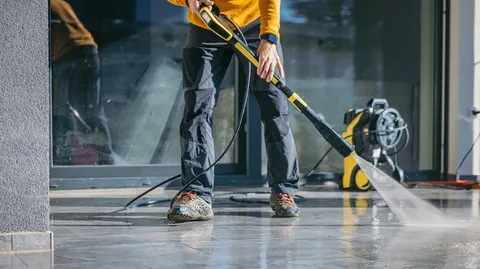
Exterior surfaces are exposed to dust, dirt, rain, vehicle exhaust, pollen, algae, mold, and other environmental contaminants throughout the year. Over time, this buildup can make otherwise well-maintained properties appear older and less attractive. Pressure washing is an effective way to remove many types of surface buildup and restore a cleaner appearance to suitable exterior areas.
Why Exterior Surfaces Need Regular Cleaning
Outdoor surfaces naturally collect contaminants because they are constantly exposed to changing weather and surrounding environmental conditions. Driveways may develop dark marks from vehicle traffic, while patios can accumulate dirt, leaves, and organic residue. Exterior walls and walkways may also develop visible discoloration over time.
Regular cleaning helps prevent this buildup from becoming deeply embedded. When dirt is left untreated for extended periods, removing it can become more difficult and may require more intensive cleaning methods.
Maintaining exterior surfaces also contributes to overall curb appeal. A clean driveway, walkway, patio, or exterior wall can make a property look more organized and cared for.
Areas That May Benefit From Cleaning
Different parts of a property can collect different types of buildup. Common areas that may require professional attention include:
- Driveways and parking areas
- Concrete walkways
- Patios and outdoor living spaces
- Exterior walls
- Fences
- Garage floors and entrances
- Poolside surfaces
- Commercial sidewalks
- Building entrances
The appropriate cleaning method depends on the surface material and its condition. Concrete, brick, stone, siding, and other materials should not automatically be treated with the same pressure level.
Why Proper Pressure Matters
More pressure does not necessarily mean better cleaning. Excessive pressure can potentially damage certain surfaces, remove paint, harm delicate materials, or force water into areas where it does not belong.
Professional technicians should evaluate the surface before beginning work. They can consider the material, age, condition, level of buildup, and surrounding areas before selecting an appropriate cleaning approach.
This is one reason professional service can be preferable to simply using the highest setting available on a consumer machine. Effective exterior cleaning requires both equipment and judgment.
Removing Different Types of Buildup
Outdoor surfaces can contain several different contaminants at the same time. Loose dirt may be relatively easy to remove, while organic growth, grease, stains, and long-term discoloration may require additional treatment.
A professional cleaning process can begin by identifying the type of buildup present. Depending on the surface, a suitable cleaning solution may be used before controlled water pressure is applied.
This approach can improve the overall result while reducing the likelihood of unnecessary surface damage.
Improving Curb Appeal
A property’s exterior often creates the first impression for visitors, customers, tenants, or potential buyers. Dirty walkways, stained concrete, and discolored exterior surfaces can make a property appear neglected even when the interior is well maintained.
Cleaning these areas can create a noticeable visual improvement. For homeowners, this can help maintain the appearance of outdoor spaces. For businesses, clean entrances and surrounding surfaces can support a more professional presentation.
Exterior maintenance can also be useful before events, property photography, seasonal gatherings, or preparing a property for sale or lease.
Cleaning Before Problems Become Severe
Waiting until surfaces are heavily stained can make maintenance more difficult. Regular inspection allows property owners to identify developing buildup before it becomes extensive.
For example, small areas of organic growth can become more noticeable when exposed to moisture and shade. Dirt can also accumulate in textured surfaces and joints where ordinary sweeping may not remove it completely.
A scheduled maintenance approach can therefore be more practical than waiting for the property to look significantly dirty.
Choosing a Reliable Professional
When comparing service providers, property owners should consider experience, communication, equipment, and attention to safety. A reputable company should be able to explain what areas can be cleaned and whether any surfaces require special treatment.
It is also useful to ask what is included in the service. Customers should understand whether preparation, cleaning, rinsing, and basic cleanup are part of the quoted work.
Reviews can provide additional insight, especially when they discuss the quality of the finished work, punctuality, professionalism, and communication.
Protecting Your Property During Cleaning
Before exterior cleaning begins, surrounding areas should be considered. Outdoor furniture, decorative items, plants, electrical components, doors, and other sensitive areas may need protection or adjustment.
Professional preparation can help reduce the possibility of accidental damage and ensure that water and cleaning solutions are directed appropriately.
After cleaning, property owners should also inspect the treated surfaces. A professional result should leave the area visibly cleaner while maintaining the condition of the underlying material.
Regular exterior maintenance is an important part of caring for a property. When performed with the appropriate equipment, pressure, and technique, professional cleaning can remove accumulated dirt, improve appearance, and help outdoor surfaces remain easier to maintain over time.
Why Professional Air Duct Cleaning Can Benefit Your Property
The air circulation system plays an important role in maintaining a comfortable indoor environment. Over time, dust, dirt, pet hair, construction particles, and other debris can accumulate within parts of the ventilation system. While not every buildup automatically indicates a serious problem, excessive debris can affect airflow and contribute to an untidy HVAC environment.
Professional air duct cleaning services can help address accumulated material inside accessible portions of a ventilation system. A proper inspection can also help determine whether cleaning is actually necessary rather than relying on a one-size-fits-all schedule.
Understanding How Air Ducts Accumulate Debris
Air moves through a building’s HVAC system repeatedly. As air circulates, particles can enter the system despite the use of filters. Over time, some of these particles may settle inside ductwork, registers, grilles, and other components.
The amount of accumulation can vary significantly between properties. Homes undergoing renovation may experience increased dust, while properties with pets may have more hair and dander in the indoor environment. Older systems or poorly maintained components may also require closer inspection.
The condition of the ductwork itself is another consideration. Damaged, disconnected, or poorly sealed ducts can create additional maintenance concerns that go beyond ordinary cleaning.
Signs Your Ventilation System May Need Inspection
There is no single sign that proves ductwork requires cleaning, but certain conditions may justify a professional assessment.
Visible dust or debris around registers can be one reason to investigate further. Persistent dust accumulation throughout the property may also prompt homeowners to inspect the HVAC system, although many factors can contribute to indoor dust.
Unusual odors coming from vents may be another reason to seek professional evaluation. Odors can have many possible sources, so identifying the actual cause is more useful than simply masking the smell.
Other situations that may justify an inspection include recent construction, visible contamination, pest activity inside ductwork, or concerns about damaged components.
Why Professional Inspection Matters
Ductwork is often located in areas that are difficult for homeowners to access safely. A professional can inspect accessible portions of the system and determine whether significant debris or other concerns are present.
An assessment may also identify problems that cleaning alone cannot solve. For example, damaged insulation, loose connections, moisture issues, or improperly installed sections may require separate attention.
This distinction is important because professional cleaning should not be presented as a universal solution for every indoor air or HVAC concern. A qualified provider should explain what was found and what work is actually appropriate.
Potential Benefits of Cleaner Ductwork
When significant debris is present, removing it can help maintain a cleaner HVAC system. Cleaner components may also make routine maintenance easier and allow property owners to monitor the condition of their system more effectively.
Airflow should always be considered as part of the bigger HVAC picture. Restricted airflow can have multiple causes, including dirty filters, mechanical problems, blocked vents, or ductwork issues. Cleaning one component does not automatically resolve every airflow concern.
For this reason, homeowners should combine professional assessments with regular filter replacement and appropriate HVAC maintenance.
The Importance of HVAC Filter Maintenance
One of the simplest steps property owners can take is keeping HVAC filters in appropriate condition. A filter that becomes heavily loaded with dust can restrict airflow and reduce system efficiency.
The correct replacement schedule depends on the filter type, HVAC system, household conditions, pets, occupancy, and manufacturer recommendations. Rather than following an identical schedule for every property, homeowners should check their filters regularly and replace them according to the appropriate guidance.
Keeping supply and return vents unobstructed is also important. Furniture, curtains, boxes, and other objects should not unnecessarily block airflow.
When Professional Cleaning May Be Appropriate
Some situations deserve more attention than ordinary routine maintenance. Visible contamination, significant debris accumulation, recent remodeling, pest-related contamination, or concerns about moisture inside the system may justify professional evaluation.
A professional should explain the condition of the system before recommending extensive work. Customers should be cautious of claims that guarantee dramatic health improvements simply from routine duct cleaning.
The purpose of a professional service should be clear: inspect the system, identify relevant problems, clean appropriate components when necessary, and communicate the findings honestly.
Choosing the Right Service Provider
When selecting a company, look for clear communication, appropriate equipment, experience, and a willingness to explain the process. Ask what parts of the HVAC system will be inspected or cleaned and whether any areas are excluded.
It is also useful to understand the pricing structure before work begins. A transparent provider should explain whether additional charges could apply for unusually difficult access, extensive contamination, or additional components.
Customer reviews can provide useful information about professionalism, punctuality, communication, and the quality of completed work.
Maintaining a Healthier HVAC Routine
Duct cleaning should be viewed as one part of broader property maintenance rather than a replacement for regular HVAC care. Changing filters, keeping vents unobstructed, scheduling appropriate equipment maintenance, and responding to unusual odors or airflow changes can all contribute to better system management.
A clean and properly maintained ventilation system can make HVAC maintenance more manageable and help property owners understand the condition of an important part of their building.
By combining routine homeowner care with professional inspection when needed, property owners can take a practical approach to ventilation maintenance without relying on unnecessary services or exaggerated claims.